


































In many English-speaking churches, the Sunday after the “high feast” of Easter is known as Low Sunday.
It’s not, as one might suppose, due to low attendance after the intense activity of Holy Week (the week leading up to Good Friday) and Easter services, but probably because the rituals that end the octave (eight days) of Easter are less “high” than Easter itself.
In early Christian times Low Sunday marked the end of a week of instruction and daily worship for those baptised on Easter Day; Easter Week was both a holiday and a holy time.
So what?
Well, apart from being interesting, I think it is worth remembering that there is so much to learn about the Christian faith that, despite lengthy preparation before baptism, the early church spent a further week afterwards teaching the “new members” more about their faith.
Maybe we could all do with understanding more about ours, what we really believe, and how it should affect our daily lives.
After all, Easter is not actually about chocolate eggs.
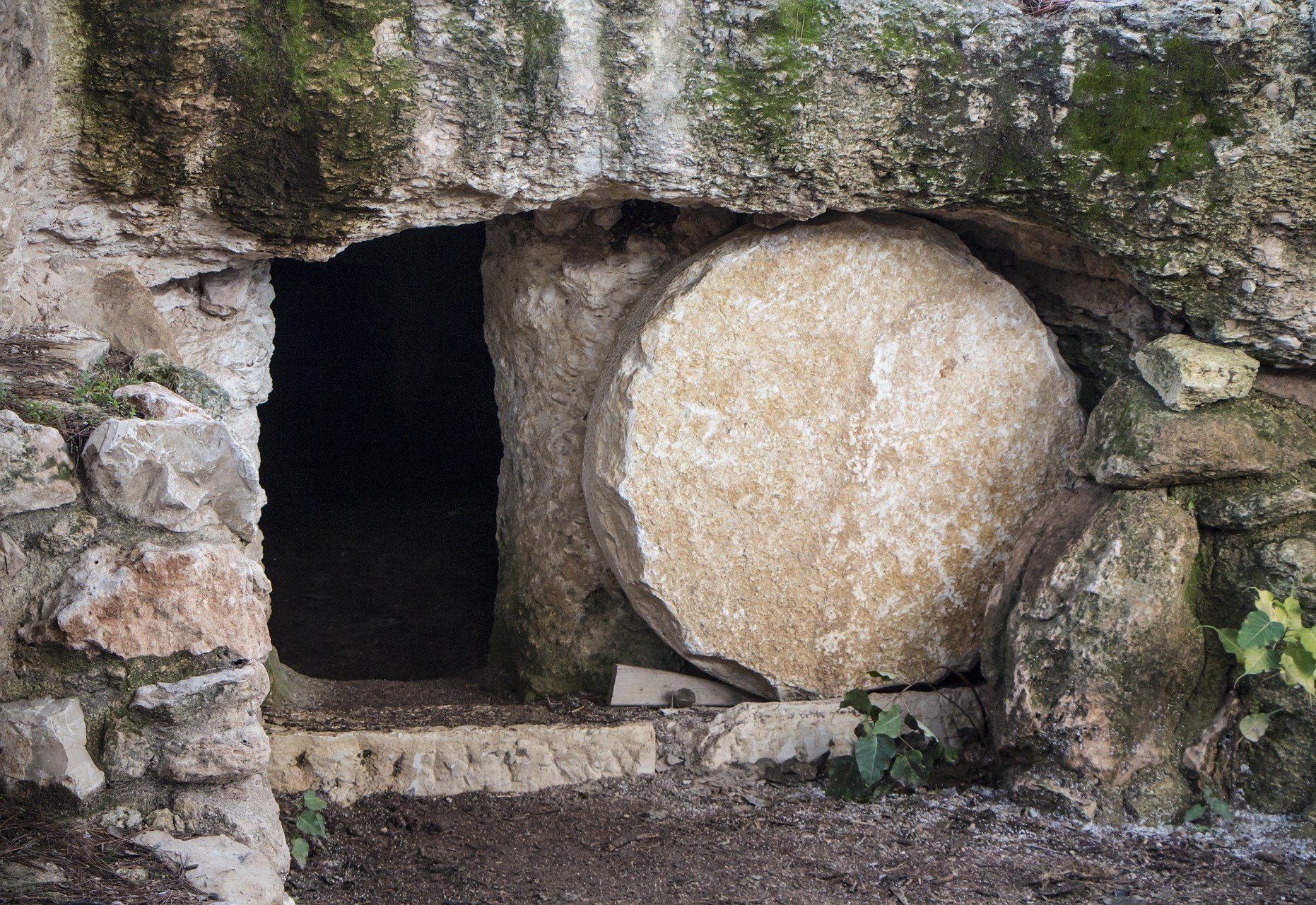
It is about the new life available in Jesus Christ, who died on the cross at Calvary and was raised to life on the third day.
Mary Cassidy is a parishioner at St Paul’s Church in Wokingham, writing on behalf of Churches Together in Wokingham