


















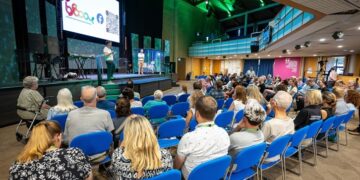












Last week, I had the opportunity to engage with school pupils from across the borough in a Youth Politics event, organized by the Youth Council and borough council officers.
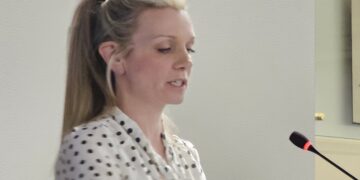
I was representing the Liberal Democrats on a multi-party panel of local councillors and party activists. We had to answer some interesting and challenging questions on crime and safety, sustainable and accessible travel, how to reduce vaping, and – perhaps most interesting of all – how to engage more young people in politics.
I had to go to another meeting once the panel discussion had finished, but I was able to speak with a few of the audience members on the way out and I detected genuine enthusiasm for the event and a strong desire for more engagement with the council and councillors.
I, too, thought the session was valuable and would be happy if we could repeat it sooner rather than later. As always after such events where there is debate and discussion and an exchange of views, I left stimulated by the ideas that were put forward. I am keen to engage more with the Youth Council and the young people that they represent.
We are lucky in Wokingham to have such interested and committed young people, who can argue their case articulately and enjoy the cut and thrust of political debate.
But we need to remember that there are many young people, not just of school age but also in the voting population, who feel disaffected from political processes. We need to find a way to hear their voice, too.
Part of the problem, as one of the panellists at last evening’s event said, is that politics itself has a bad name for many people – the dishonesty and opportunism that we see all too often is deeply off-putting. It is vital that those of us in elected office try to counter this negative image by the way we behave – an argument I have been making for some time.
Limited understanding of political processes – what councils do, how democracy works, why checks and balances are important to prevent abuse of power – is perhaps also a contributory factor. Politics is an optional subject at most schools, which means all but the politically committed minority have only the sketchiest ideas about how the system operates and why it is as it is. When young (and older) people become disengaged from political processes and don’t understand how they work, there is a danger that they become ripe for exploitation by unscrupulous politicians posing as strong leaders with simple answers to complex problems.
Another factor is undoubtedly the focus of much of politics – both local and national – on what interests and concerns older people and its limited concentration on matters that are high on the agenda for young people. This is a natural consequence of who votes in elections. Politicians at all levels try to appeal to the people they know will vote. Here the remedy lies in the hands of young people themselves. Voting gives you power. If you vote regularly and in numbers, politicians will listen to you. Your concerns will become their concerns.
By Cllr Stephen Conway