






















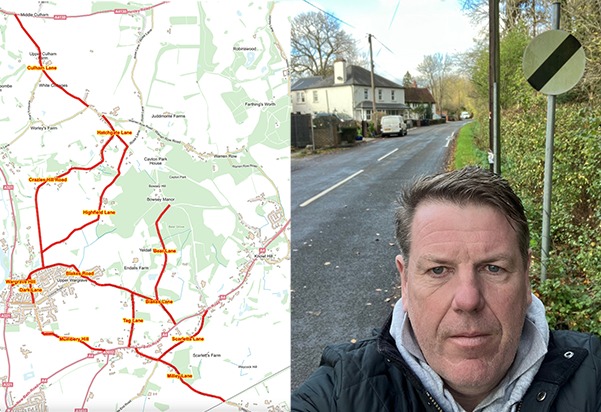
WARGRAVE Parish Council has marked an initial batch of 13 narrow rural lanes without footways, as candidates for designation as ‘Quiet Ways’ under Wokingham Borough’s new speed limit policy.
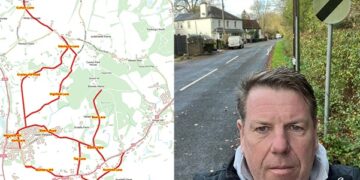
If they meet the criteria, the new Quiet Ways will have their speed limit halved from 60mph to 30mph, bringing long-awaited relief to residents of Bear Lane, Blakes Lane, Blakes Road, Crazies Hill Road, Culham Lane, Dark Lane, Hatchgate Lane, Highfield Lane, Milley Lane, Mumbery Hill, Scarletts Lane, Tag Lane and Wargrave Hill.
Parish and Borough Councillor, Wayne Smith, who is tasked with coordinating the Parish Council’s Quiet Way applications, has campaigned for 10 years to improve safety in the lanes in Thames ward, all of which are shared by walkers, the elderly, cyclists, equestrians and other vulnerable road users.
“I have manned dozens of speed patrols,” he said, “and spoken to countless worried residents about the escalating numbers of inconsiderate drivers in these single carriageway lanes.
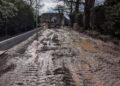
“Many of them are less than four metres wide in places, and yet have to support fast-moving two-way traffic as well as vulnerable users who have no footpaths or verges to escape to.
“In addition to major incidents where the police or emergency services get involved, we see many minor accidents and near misses which never get recorded in the official data.
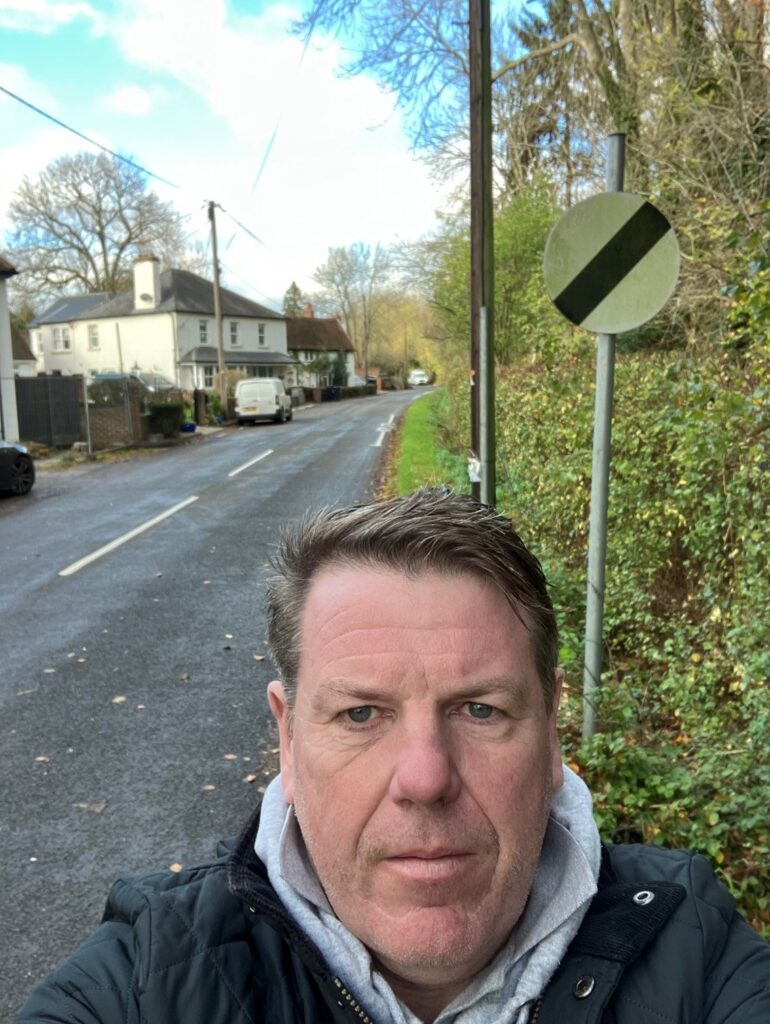
“It can be terrifying to take the dog for a walk or escort children to school.
“Fortunately, Wokingham’s new speed limit policy gives more weight to community concerns and is less reliant on traditional red tape which means that sanity is coming to our lanes at last.”
Mother of two, Laura Fenton of Blakes Lane, Hare Hatch, described the prospect of a speed limit reduction to 30mph as ‘fantastic’.
She said: “I am often scared walking into the village with the buggy as cars brush by at speeds up to 60mph.”
Cllr Smith said that most of the inconsiderate motorists in the lanes believe that they are driving safely because they aren’t exceeding the 60mph speed limit.
“But any speed above 30mph must always be dangerous in these twisting, unlit lanes where vulnerable road users have to share the middle of the highway with cars, delivery vans and HGVs,” he added.
“Drivers’ attitudes will change when they see that speeds of 40, 50 and 60mph are no longer legal,” he went on, “and the difference it will make to their journey time will be negligible.”
Wokingham Borough Council Executive Member for Active Travel, Transport and Highways, Cllr Adrian Betteridge who has delivered the new speed limit policy in response to public demand, and following an unacceptable number of accidents and minor incidents in the lanes and across the borough, visited Scarletts Lane in Hare Hatch in January.
He agreed: “The national speed limit is clearly not safe here and anyone driving anywhere near the national speed limit would be risking very serious injury, if not death, to people.”
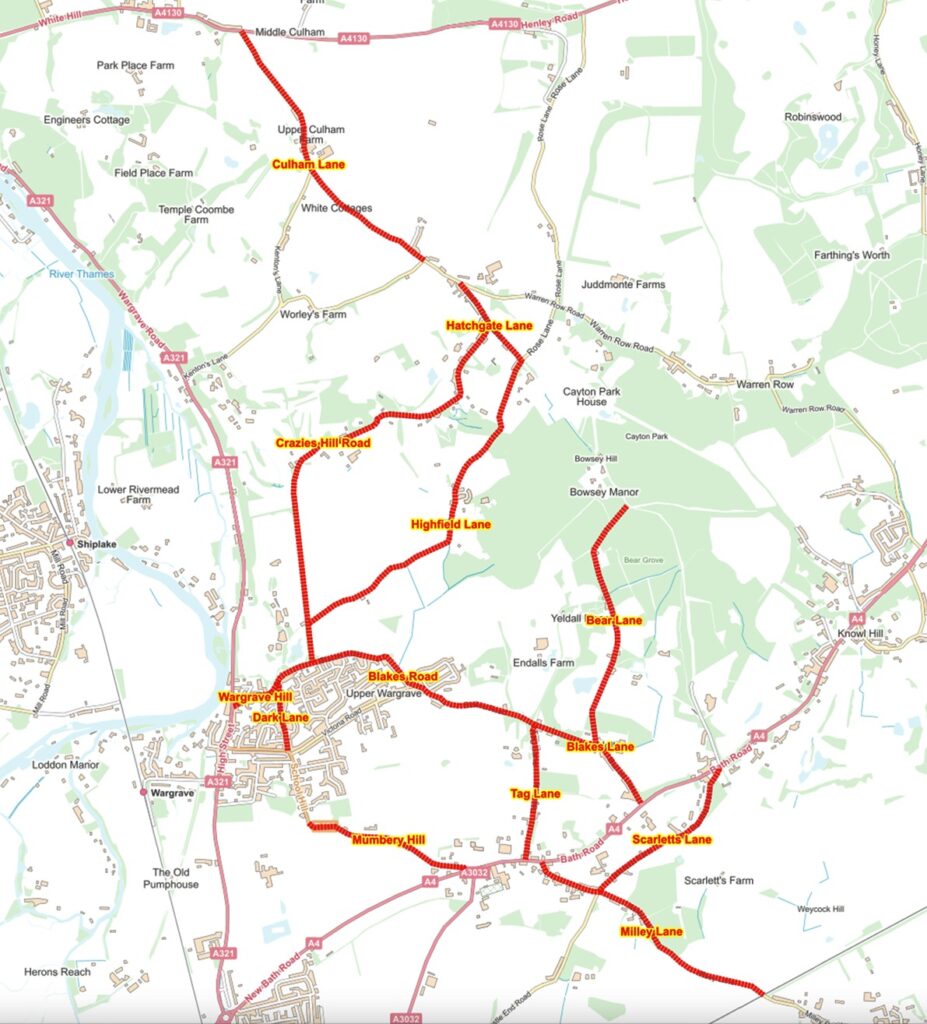
Traffic speed on minor rural roads is the biggest road safety issue raised with the council by members of the public, according to Cllr Betteridge, and vulnerable road users represent a disproportionate number of the people who are killed or injured.
“They have a right to be on and around these roads as much as anyone else, and we should protect them,” he said.
Scarletts Lane resident and safety campaigner, Simon Chapman, who two years ago submitted a petition to the council calling for the speed limit in the lanes to be halved, said that he was delighted and relieved that the council had delivered on its promises.
“For many years I have not been prepared to risk life and limb by walking out of my front gate,” he said, “but, thankfully, common sense has prevailed and I will be popping corks at the street party as and when we celebrate what, for many, will be a life-enhancing reduction in the speed limit.”
Cllr Smith added: “Our WhatsApp groups have been buzzing with the news and some parents are looking forward to the day when they can finally allow their children to walk to school.”
In order to qualify for 30mph Quiet Way status, roads must typically be narrow, single carriageway rural lanes which are currently subject to the 60mph national speed limit.
They should also have no footway nor carriageway centre line, narrow or no verges, low traffic volume (below 1,000 vehicles per day), low average speeds (below 35mph) and evidence of a mix of vulnerable road users or the potential to attract them.
Roads which don’t qualify as Quiet Ways can still be granted speed limit reductions to 40 or 50mph.
The new speed limit policy will take time to implement across the borough since the process for each application includes assessment, recommendation, design, formal consultation and implementation.
Wokingham Borough Council will engage with parish councils and residents throughout the process.
“Narrow rural lanes with no footway will be priority cases and I anticipate that the first of the new speed limits will be introduced later this year,” said Cllr Betteridge.
“These are not anti-car measures as the new speed limits will only fractionally slow journey times for motorists,” he went on.
“With new housing developments being built, we need to ensure that traffic can move efficiently and safely in the future and also give drivers a viable option to switch to active modes of travel including walking and cycling – and even horses which is what most of our ancient narrow lanes were originally designed for.”