
























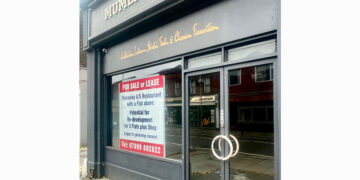






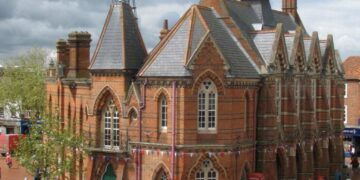

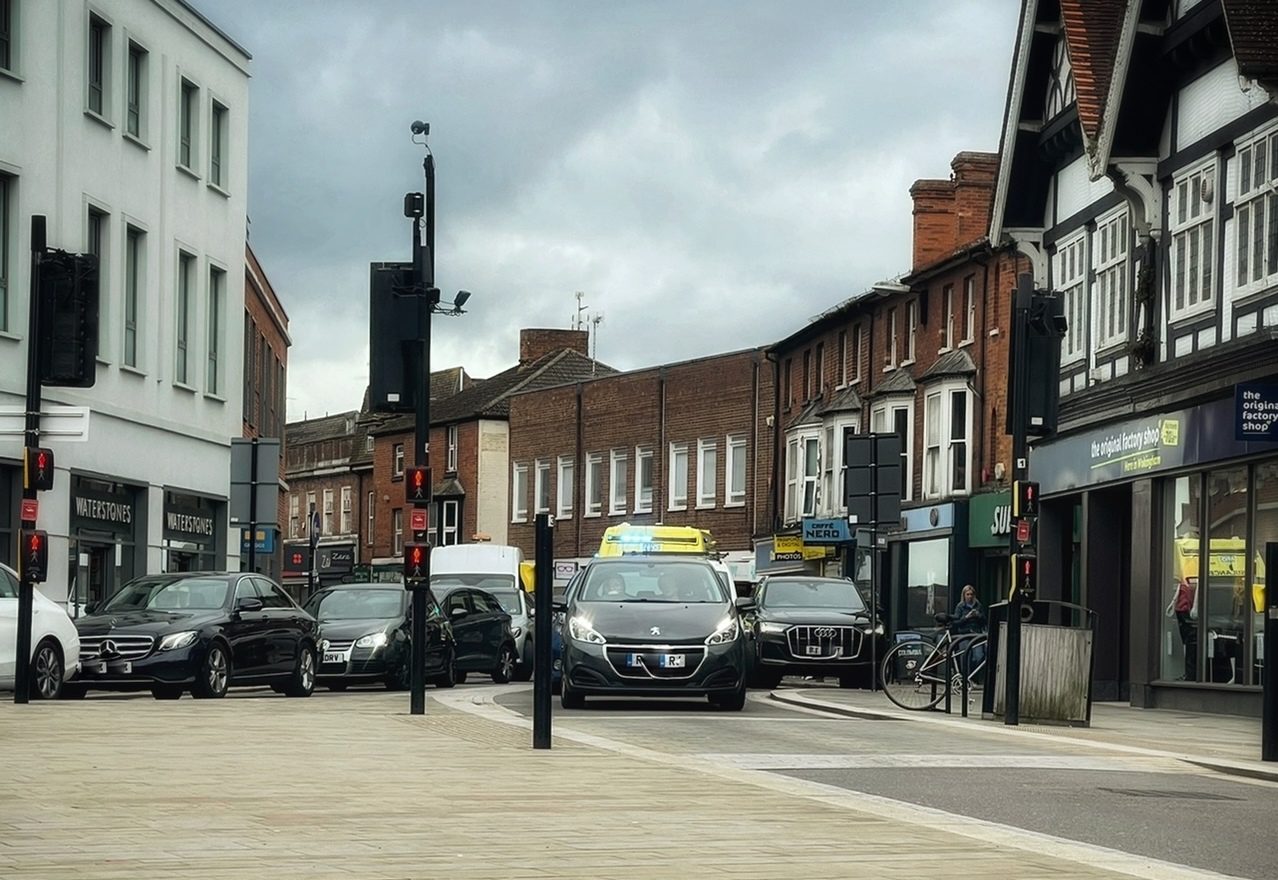
Wokingham has been revealed as having the lowest number of empty shops among the six major towns in Berkshire.
The health of town centres as destinations has been a topic of discussion for years, with concerns often raised over shops being left empty.
A retail property expert has now revealed that Wokingham has the lowest number of empty shops in the county.
Fiona Brownfoot, director of retail, restaurant and leisure at commercial property marketers Hicks Baker was asked which town in Berkshire has the healthiest retail climate and destination shopping, based on the lack of vacancies.
She said: “If you’re going to base it on the lowest vacancy rate, it’s probably Wokingham.
“It’s got a 6% vacancy rate at the moment, which is incredibly low.”
“If you have 50% vacancy rates, you’ve got a pretty shocking town, so if you got 6%, you’ve got a pretty vibrant town.”
Fiona was also bullish on the low number of empty shops in Bracknell.
She said: “I think Bracknell did a stunning job, I have to say, hats off to them.
“I really think that they did a very, very good job of integrating The Lexicon into the existing town, the developers did a very good job of upgrading land that they didn’t own in order to blend it nicely, and give a nice circle of flow so people could get round the whole town.”
There has been a perception of high vacancy rates in Reading, with around 20 shops being left empty in the town.
Fiona said: “The vacancy rate surprisingly hasn’t changed very much, frankly, for a decade or more.
“It is slightly at the upper end of what I would call a normal bracket.
“There’s always going to be churn. There’s always going to be vacancies. We’re never, ever going to have zero and it’s not good to have zero if you want changing faces because it keeps interest.”
She added that the shop vacancy rate in Reading is just under 15%, but argued that there can be a ‘tipping point’ where the amount of vacancies can become detrimental.
That can possibly be seen in Slough, where there are a high number of vacancies. Fiona said: “Slough is a different scenario altogether.
“And that’s the thing about retail; there is a different story for every single location.
“So what you can see that’s happened in Slough is not gonna be repeated in Reading. It’s just not the same set-up at all.
“There’s a lot of out-of-town retail around Slough, which is not helpful, and a huge Tesco’s on the outskirts. None of that is helpful for town centres.”
Redevelopment of shopping centres can cause challenges, both for the developers and shop owners.
For example, there are long running redevelopment plans at the Queensmere Observatory Shopping Centre in Slough, and the Kennet Shopping Centre in Newbury.
The project in Slough involves the phased demolition of Queensmere Observatory to be replaced with more than 1,000 new homes, shops, offices, and public open space.
There are also long running redevelopment plans for the Kennet Shopping Centre to create a new area called the Eagle Quarter, consisting of hundreds of flats and shops and office space which were rejected in 2022, with revised plans being submitted last year.
On that project, Fiona said: “That one is going to be very, very interesting.
“I’m fascinated to see what the owner of that scheme is going to do with it because whilst you’ve got a lot of vacancy shopping centres are not easily redeveloped, because usually you will have a number of existing leases.
“If those leases are very long then the only way you can get vacant possession is by negotiation and agreement with that tenant, so effectively buying them out.”
A similar occurrence happened with the redevelopment of Maidenhead town centre, with the owners of the Smokey’s Nightclub holding out on a sale for years before announcing its closure in December 2023, clearing the way for further development.