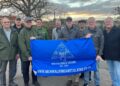
















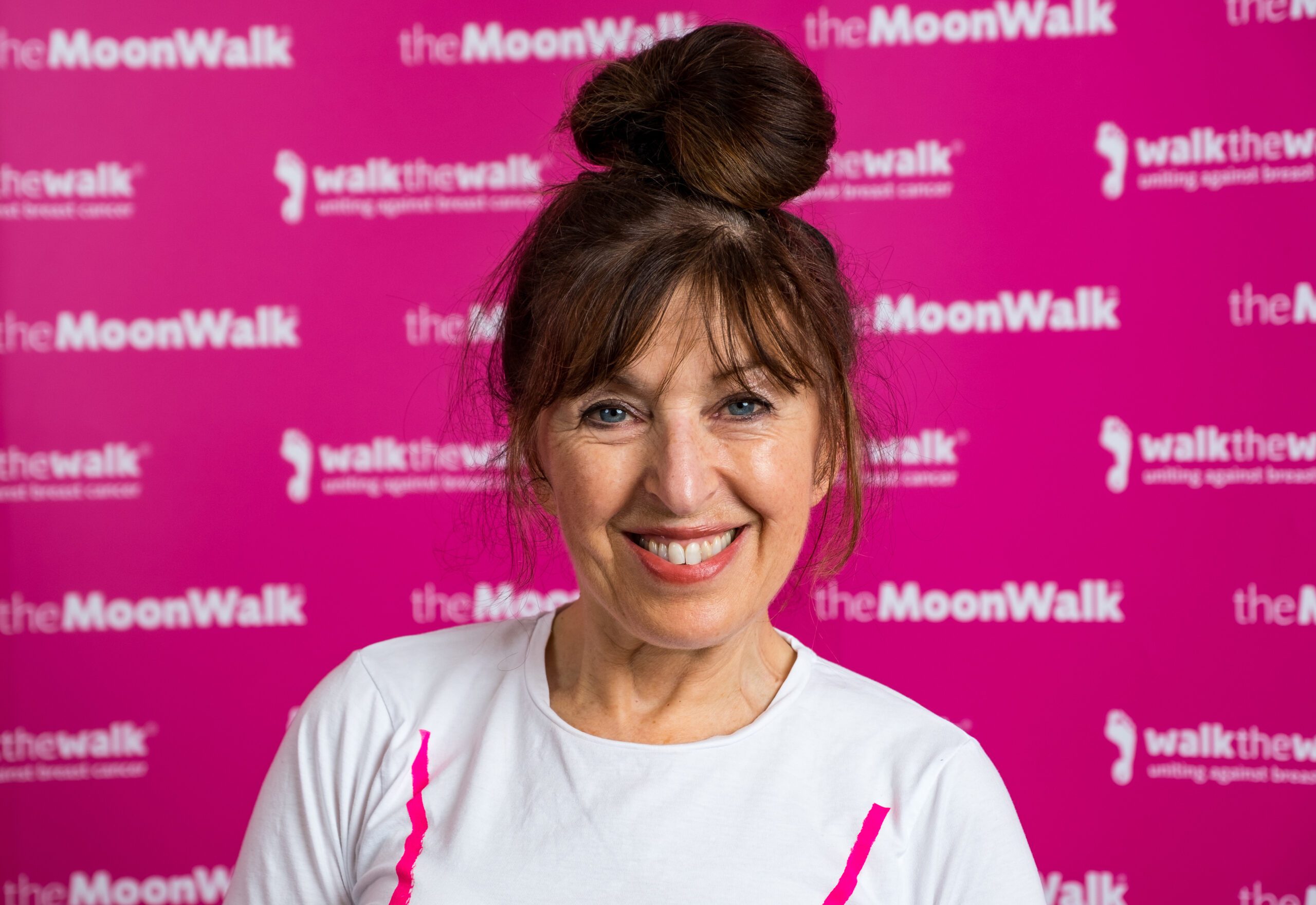
THE FOUNDER of a national charity said that she is “defiantly optimistic” about her organisation’s post-pandemic recovery, including this year’s MoonWalk events.
Nina Barough, of Walk the Walk, said that the pandemic has had a devastating effect on cancer patients and the charity sector.
Ms Barough has lived in Wokingham with her family for 20 years, arriving soon after she founded the charity.
Ahead of World Cancer Day, which falls on Friday, February 4, Ms Barough explained how the response to the pandemic has left cancer patients feeling isolated and anxious.
“Everyone’s focus was understandably on covid and it took people a while to pick up on the wider effects,” she said.
“For cancer patients, it was a perfect storm.
“Treatments were delayed or cancelled, and the support networks which were in place prior to March 2020 suddenly weren’t there or much harder to access.”
The charity gave out emergency grants to several groups, which often enabled them to set up websites and online services.
“The costs involved in setting up these services were significant, and then there are the running costs,” Ms Barough said.
“For example, it costs around £55 per one-to-one counselling session, even online.”
At the same time as demand on the charity’s grant making pot was increasing, its income sharply declined.
Fundraising events which would normally be expected to boost the charity’s funds did not take place. This meant that, like many charities, Walk the Walk had to make redundancies in order to survive. The effect on services for cancer patients has also been severe.
“Many services which were situated in or near hospitals have closed,” she explained.
“It is vital that people support charities such as Walk the Walk to help turn this situation around.
“We are seeing that people are now determined to get involved with raising money for us again, which is fantastic.”
One of the most dramatic effects of the pandemic was that, by the end of 2020, approximately 60,000 people had not come forward with symptoms of cancer, compared to a numbers in a normal year.
This has meant that many have gone on to develop secondary cancers. Their prognosis is quite different to what it would have been if cancer had been detected earlier. This also puts additional demand on services already under pressure.
“A colleague of mine who researches cancer said that all the progress made into early diagnosis and treatment has been now put back by between five to 10 years,” Ms Barough added.
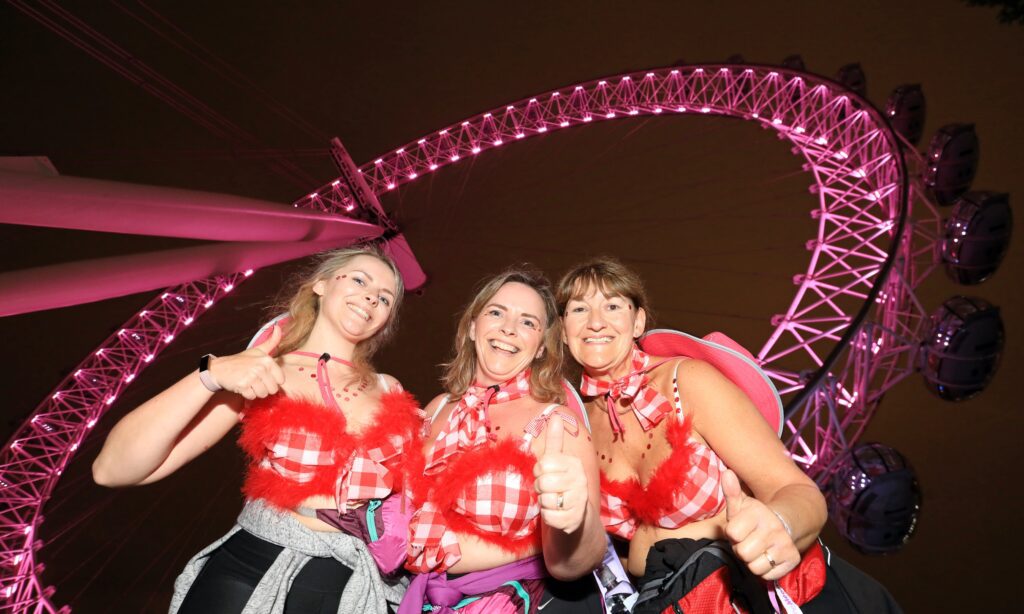
Ms Barough set up Walk the Walk in 1996 after having the idea to power walk a marathon in a bra to raise money for breast cancer.
The charity organises events all over the world, including the famous MoonWalk which sees participants walk overnight marathons in uniquely decorated bras.
Funds raised by the charity are used to support research in to secondary breast cancer and smaller local charities across the UK which support cancer patients in their own communities.
Walk the Walk also provided grants to buy scalp coolers for Royal Berkshire NHS Foundation Trust and Wexham Park Hospital, Slough. Scalp coolers help those undergoing chemotherapy to keep their hair while in treatment.
This year’s MoonWalk London live event takes place overnight on Saturday, May 14, to Sunday, May 15. The charity is also running a virtual event, so that people can take part in their community during Saturday daytime. Ms Barough said that by running both events “everyone can get involved.”
“One of the few positives of the pandemic was that the platforms now exist to be able to offer a virtual option,” she added.
“It also got people out walking who had never really done it before, and they realised that they feel better for it physically and emotionally.
“Seeing people recognise the benefits of walking has been a joy.
“So I’m really excited for this year’s event, it’s the first one in two years and it’s going to be amazing.”
For more information, visit: walkthewalk.org