






























Wokingham has been ranked in fourth place in Berkshire for infestations of Japanese knotweed.
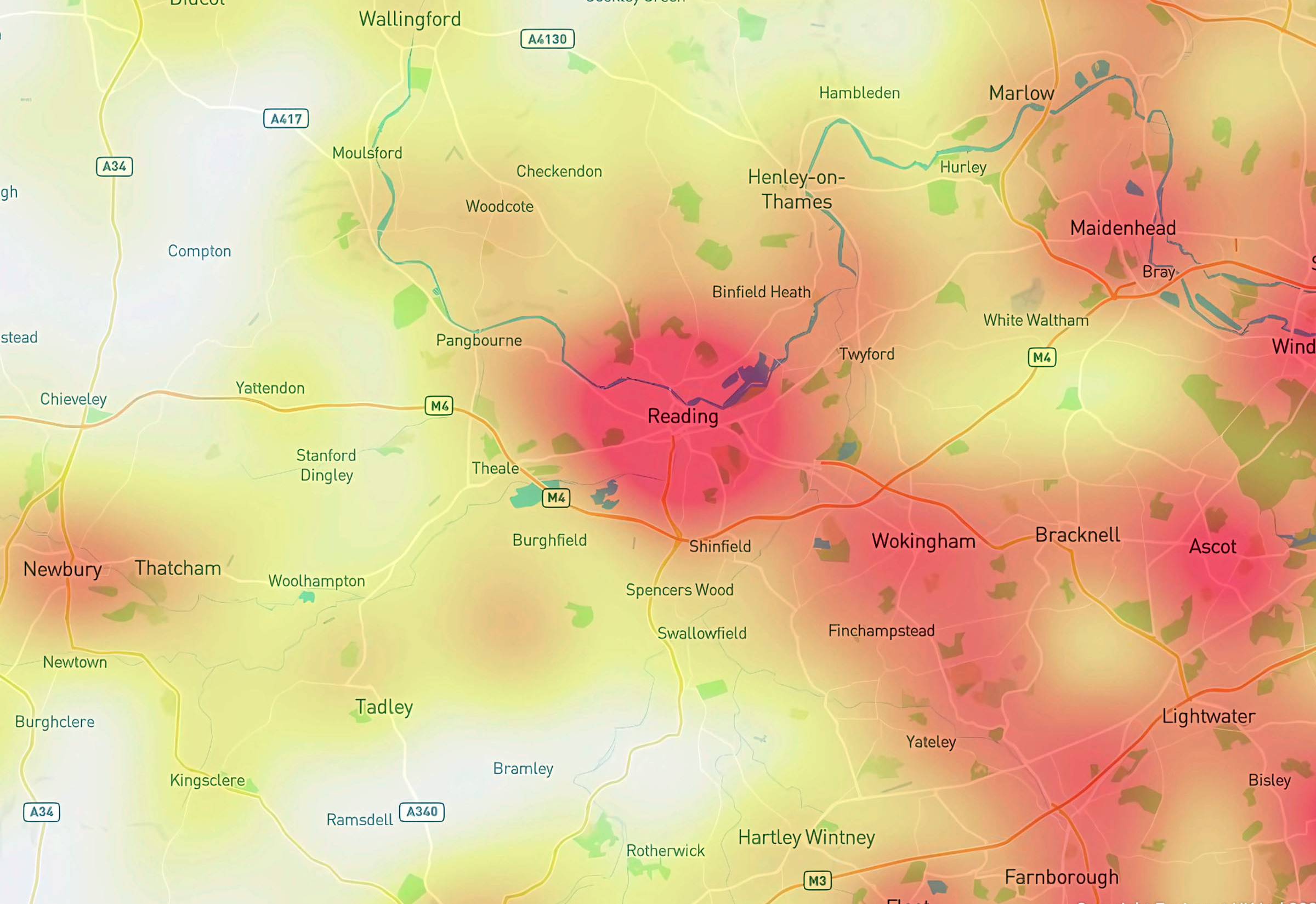
With the growing season well underway, invasive plant specialist Environet has revealed Berkshire’s knotweed hotspots for 2025 using data from its online tracker.
There have been a total of 420 verified knotweed sightings in Berkshire, equivalent to 0.86 incidences in every square mile.
Now populated with more than 100,000 known incidences of the UK’s most invasive plant, the map is updated with new verified sightings throughout the year, providing the most comprehensive online record of Japanese knotweed in the country.
Members of the public can enter their postcode to discover the number of sightings nearby, with hotspots highlighted in yellow, orange or in the worst cases red, helping them understand the level of risk posed to their home or one they wish to buy.
They can also help populate the heat map by reporting knotweed infestations using the ‘Add Sighting’ feature and attaching a photograph of the plant so it can be verified by experts.
Japanese knotweed first arrived in the UK in the Victorian times in a box of plant specimens delivered to Kew Gardens, and was quickly adopted by gardeners and horticulturalists, who were unaware of its invasive nature. Since then it has spread widely, with an average of 1.1 occurrences in every square mile of England.
Knotweed begins to emerge in early spring, quickly growing into lush green shrubs with pink-flecked stems, heart-shaped leaves and bamboo-like canes.
It can pose serious problems for homeowners, with underground rhizomes that can grow up to three metres deep and spread up to seven metres horizontally, emerging through cracks in concrete, tarmac driveways, pathways, drains and cavity walls.
While serious damage to property is rare, since mortgage lenders require knotweed to be dealt with when a property is sold, it can cause legal disputes between neighbours and reduce a property’s value by approximately 5%.
A 2023 DEFRA report put the cost of tackling knotweed to the UK economy at nearly £250 million a year.
Environet director Emily Grant said: “By mapping verified sightings, we’re helping people understand the level of risk in their local area and encouraging early identification and treatment.
“Vigilance is the best way to protect your property from Japanese knotweed, making sure you tackle it as early as possible before it becomes well established.
“At this time of year, knotweed is in full growth mode and easy to spot with its bright green heart-shaped leaves which grow in a zigzag pattern up the stems.
“Mature plants flower around August, when they produce clusters of tiny white blooms.
“If you do suspect you have knotweed on or near your property, you can email a photo to us at expert@environetuk.com and we’ll identify it for free.
“If it is knotweed, a survey will determine the extent of the infestation and the best way to treat it, whether that’s digging it out of the ground, herbicide treating it or a combination of both.
“Public engagement is key in the fight against knotweed, and by reporting new sightings homeowners can play an important role in controlling this invasive plant and protecting property values.”