



































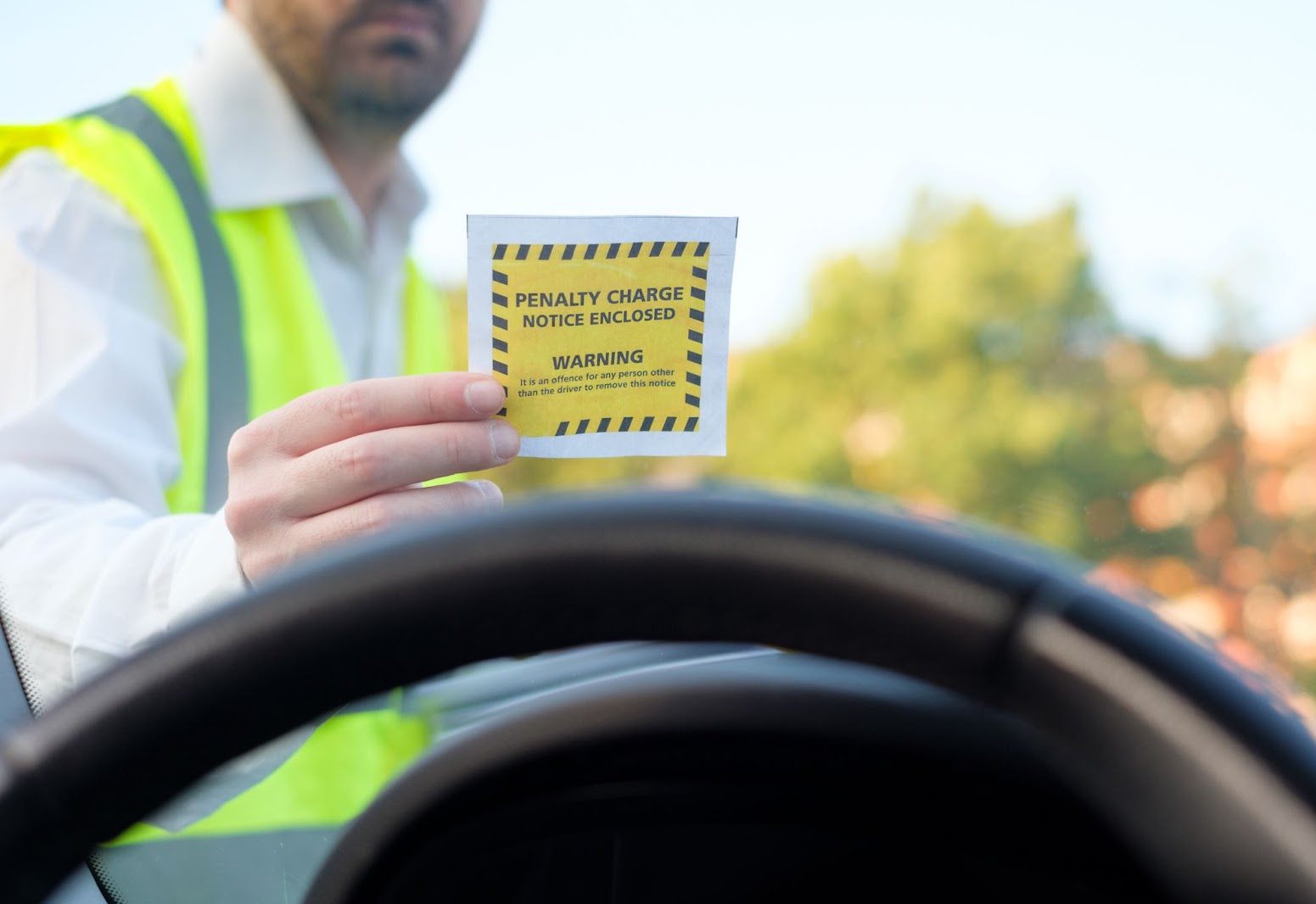
FOR most people, their parking is fine, but sometimes, well, it gets a fine. But what if your fine is not fair?
Motoring experts at LeaseCar.uk says that every day tens of thousands of people are hit with fines of up to £100, despite some being genuine errors or mitigating circumstances, such as inputting the wrong digit on a pay machine.
With the government now vowing to clamp down on rogue parking firms with a new code of practice, motorists are being urged to challenge any parking fine they feel is unfair.
Research shows that one in two drivers who challenge private parking fines win, avoiding charges.
A spokesperson for LeaseCar.uk said: “With money really tight for many households across the UK, these fines from private parking firms are excessive and more than often unfair. We welcome these tougher government regulations and urge the Levelling Up ministers to introduce the new Code of Practice soon..
“Drivers should not be scared to appeal private car park tickets as many are not enforceable.
“If you think there is a reasonable reason which makes a ticket unfair, it is worth your time to gather evidence and make a dispute against it.
“Motorists should not be put off from appealing a ticket over fears they could miss out on a reduced fine because there is a high chance of winning.
“If in doubt, do your own research to find out if you are being unfairly fined and ways to dispute it.”
Here are LeaseCar.uk’s tips for appealing a private parking ticket:
Get photographic evidence
Collecting any evidence to support a claim is vital. Returning to the ‘scene of the crime’ is worthwhile to take photos as it will provide a stronger case. Get multiple angles that offer a clear image to prove a case, such as unclear markings or damaged signs. Highly cautious drivers should consider taking pictures on the day of their parking to prove they are within the bays or photograph any issues, such as out-of-service payment meters.
Gather witness statements
Any mitigating circumstance that caused the fine should be accounted for with a witness statement. If, for example, a driver couldn’t make it back to the car in time because of a medical emergency, supplying evidence from a doctor would usually be sufficient. Asking someone to witness, like a passenger, fellow driver, or local shopkeeper, can also help prove facts.
Study the dates
If a private company takes too long to send a fine which wasn’t left on the vehicle, the penalty can be excused. In most cases, firms have 28 days to send the fine, so drivers should check the dates to see if it is over the usually allowed period.
Challenge the fine quickly:
Motorists hit with a fine have 28 days to challenge the charge. However, if this is done in the first 14 days, they may still be entitled to a 50% discount, a considerable saving, that applies to those who agree to pay the fine.
Appeal to an independent appeals service
If a challenge is initially rejected, drivers should appeal to an independent appeals service on a lawfulness charge, where a team of adjudicators will reconsider it. If applicable, drivers must provide information and upload evidence they wish to rely on, such as signed witness statements, photographs, and a crime reference number. The IAS will not alter the value of a charge, but the operator may reject claims for a reduced rate.
It may not be a good idea to pay straight away
Think of it as an admission of guilt. If there is a reason to believe the fine is unfair, people should appeal immediately. Generally, it is much harder to get money back and win an appeal once it has been paid.
Check for the ‘grace period.’
If a motorist is issued a fine despite only being a few minutes late back to their car, there may be sufficient grounds for an appeal. Parking officers should give people a grace period to return to their car, generally between five to 10 minutes.