












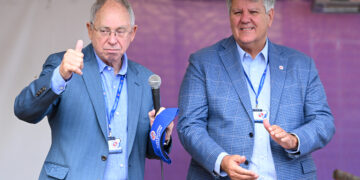















At a time when climate change is becoming politically polarised, rigorous global science matters more than ever. Last week the University of Reading hosted scientists from the Intergovernmental Panel on Climate Change (IPCC), whose assessments remain the most authoritative synthesis of climate evidence worldwide. Their most recent reporting cycle, concluded in 2023, set out in stark terms the trajectory we are on – and the narrowing window for action.
Future climate outcomes will depend on how quickly global emissions fall. However, the effects of past emissions are already shaping conditions for decades ahead. That means we must continue reducing emissions while also preparing for impacts that can no longer be avoided.
This is not abstract. Last year was the UK’s warmest on record, and this winter has seen record-breaking periods of rainfall. For the UK, climate change means not only rising temperatures but more intense downpours, greater flood risk, and increasing heat stress in urban areas. These changes place pressure on homes, infrastructure and essential public services.
That is why Wokingham Borough Council is expanding its Climate Strategy to place greater emphasis on nature recovery and resilience alongside carbon reduction. Developing a clear and well-informed understanding of climate risk is central to responsible long-term planning. By identifying where the greatest pressures will fall – from overheating in care settings to surface water flooding – we can ensure that our decisions remain resilient and aligned with the borough’s priorities.
Nature plays a vital role in this work. When given space to thrive, natural systems store carbon, reduce flood risk, cool urban areas and provide wider benefits for health and biodiversity. Tree cover and well-managed green spaces are not simply aesthetic improvements; they are part of the infrastructure that helps communities adapt to heat and heavy rainfall.
There are significant financial constraints, especially as the council faces a £43 million reduction in central government funding over the next 3 years. Expanding our focus to include adaptation as well as mitigation is challenging in that context. But the financial, human and environmental costs of inaction could be greater still, and ignoring the challenge will not make it go away.
Many actions within our Climate Emergency Action Plan will also reduce long-term costs. Improving the energy efficiency of council buildings lowers running expenses and creates more comfortable environments for staff and residents. A clear strategy and credible delivery programme also strengthen our ability to secure external funding. An early example is a project with the University of Reading to examine how care homes can adapt to future climate conditions – translating scientific research into practical local solutions.
I am proud that in Wokingham political consensus on climate action has largely held. But high-level consensus alone is not enough. Climate commitments must be reflected in consistent, long-term decision-making – particularly in areas such as transport and infrastructure investment which set behaviours for generations. The global science is clear. Grounded in evidence and planning for the long term, we can protect residents, strengthen our services and safeguard the borough for future generations.
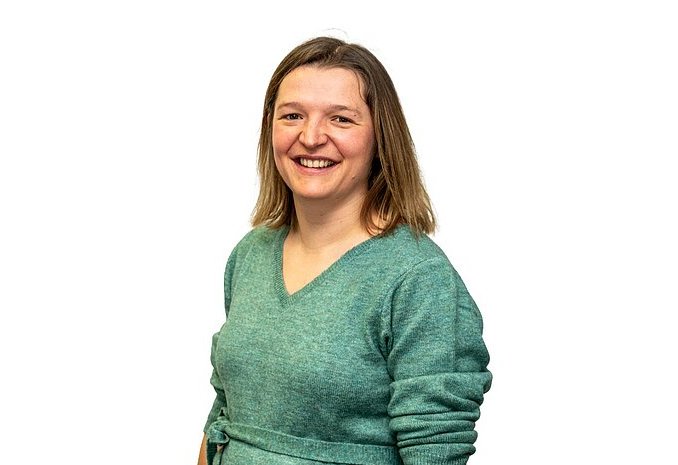
By Cllr Katrin Harding