























We live in extraordinary times of financial pressure for local government. Many councils have become insolvent; others survive only on the life-support system of government emergency loans. In that context, Wokingham Borough Council’s setting a balanced budget last week, while avoiding deep cuts to services or significant reductions in our reserves, is a considerable achievement.
We put together a balanced budget even though 2026-27 will be the first year of a highly unfavourable three-year local government finance settlement. By 2028-29, Wokingham will have lost a significant part of its central government support, leaving us almost totally reliant on locally raised income, principally through the council tax. By 2028-28, the council tax will make up a staggering 93% of what the government regards as our total available income.
The new funding settlement actually gives us an increased revenue support grant, but it more than wipes out that benefit by reducing our retained business rates very sharply. In 2025-26, the government returned to us just 25% of local business rate receipts; in 2026-27 that will fall to a mere 6%. The net result, taking revenue grants and retained business rates together, is a total reduction of £43.3 million in our government revenue funding over the next three years.
To fill the hole in our finances created by the loss of such a large part of our government support, ministers expect us to raise the council tax to the maximum allowed – 4.99%. We will do all we can to help those on low incomes to cope with this extra burden, but I’m afraid we have no choice but to raise the council tax to the cap, as without it we would be unable to provide vital services. As it is, we need to use almost all the council tax increase to plug the gap created by lost government support, leaving us with nowhere near enough money to cover inflation, let alone rising demand for our services.
Despite the financial squeeze on our revenue budget, we were able to allocate more money for local needs in the capital budget, which funds one-off projects, rather than the ongoing services paid for in the revenue budget. Roads will receive an extra £5.5 million over the next three years, courtesy of an increased government capital grant – a positive feature of the three-year settlement to set in the balance against all the negative ones. Our capital budget also funds improvements such as the new Emmbrook sixth-form building and the Earley station footbridge. Bafflingly, both Conservative and Labour councillors voted against this capital budget, even though it included these and other widely welcomed measures.
Looking ahead, even though the next three years are going to be challenging, there are reasons to be optimistic. We have a healthy level of reserves, some of which we will deploy to soften the blow of losing so much government support. We have a good record of making necessary savings, having agreed over the last three years to more than £30 million of efficiencies or income generation measures to balance the books and sustain services. We have been striving to improve productivity, and with some success: Wokingham was recently rated the second most efficient council in England measured by outcomes achieved per pounds spent. And we have a strong community to help us: our very impressive local voluntary and charitable sector, world-class businesses, and a first-rate university, with all of which we work in partnership to help our borough to thrive.
Difficult though the financial landscape is, we remain committed to the council playing a full part in building an inclusive community, where everyone, regardless of who they are, can realise their potential and contribute. Despite the poor local government finance settlement, we are determined as a council to continue to make a positive difference.
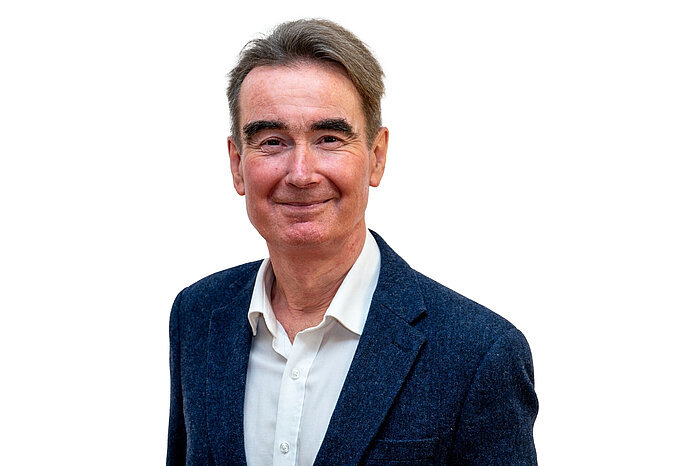
By Cllr Stephen Conway, leader of Wokingham Borough Council