






























Wokingham Borough Council spends more than two-thirds of its income on adult and children’s services. These services support the frail elderly, adults with learning disabilities, children with Special Educational Needs, adults and children with physical disabilities, and vulnerable children at risk of abuse. No civilized society begrudges such spending, but national legislation requires us to do what we know is right.
Even so, the funding available to support those who need these services is inadequate. Demand rises every year and the cost of providing social care rises also. At the same time, the money we have to cover the costs fails to keep pace.
Successive governments have regarded Wokingham as a prosperous area. They have therefore allocated us the lowest level of core revenue support (a subsidy to help cover the cost of services) of any English council providing adult and children’s social care. Wokingham is expected to raise the vast majority of its income in council tax. Yet, even when we increase the council tax to the government’s cap, our income cannot meet the rise in demand and increasing cost of delivering services.
The new government is placing even more emphasis on socio-economic disadvantage in its allocation of financial support for councils. This year, we lost £1 million of our core revenue support; we anticipate much bigger reductions in the years ahead.
We have repeatedly made the point to government ministers that need for services is not just generated by deprivation. Disability also creates need. Until the government recognizes this simple truth, Wokingham, and councils like it, are going to be under enormous financial pressure.
A properly funded social care system is not just vital for the financial viability of much of local government; it will also help the National Health Service.
The government has given additional resources to the NHS, but that increased funding will fail to have much impact if the government does not address the funding crisis in our social care system.
Properly funded social care can slow down or reduce the pressure on the NHS by delaying or even preventing people moving on to hospital care. It also helps the NHS by providing support for people who are ready to be discharged from hospital.
As a result of the underfunding of social care, the flow of people into the NHS is greater than it needs to be and the flow out of the NHS is slower than it should be, as the social care system lacks the capacity to support timely hospital discharges. Beds are therefore occupied longer than they need be, adding to the delays in hospital admission.
We will continue to try to persuade ministers that all councils need to receive enough core revenue support from central government to be able to spend what is required on adult and children’s social services. And we will continue to make the point that further funding for the NHS will achieve little unless the social care system is funded adequately to slow demand for NHS services and to be able to cope with hospital discharges.
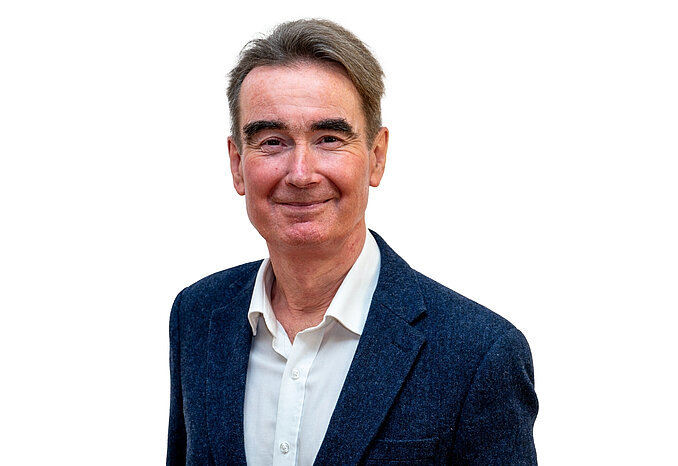
Cllr Stephen Conway is the leader of Wokingham Borough Council