





























New analysis has revealed 39,404 spills of untreated sewage by Thames Water since 2021, with at least 8,499 confirmed as illegal.
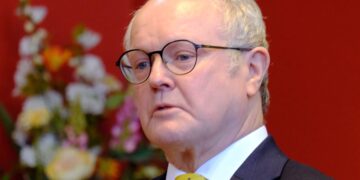
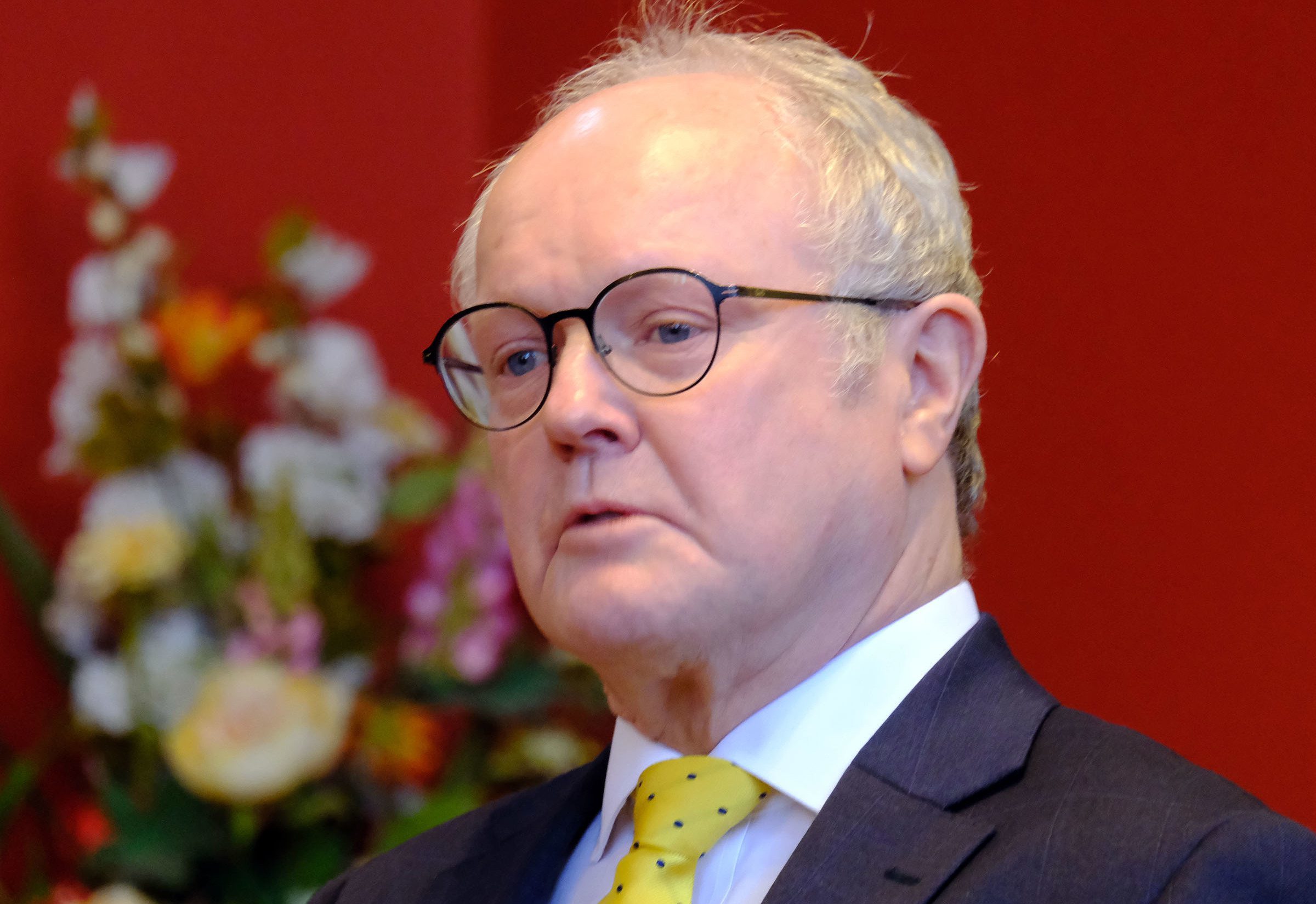
Clive Jones has called for Thames Water to be placed under Special Administration immediately following “industrial scale” environmental vandalism.
He has called on the government to stop “pulling its punches” and place Thames Water under Special Administration, following damning new research by Professor Peter Hammond which reveals the true extent of the company’s illegal pollution.
The research, he said, is the largest study ever of Thames Water’s own data. It finds that between 2021 and 2025, the company dumped untreated sewage 39,404 times.
Crucially, at least 8,499 of these were illegal breaches of their permits – spills that occurred even when it wasn’t raining.
He claimed that our once pristine rivers and chalk streams have been illegally polluted and degraded thousands of times according to this study.
In Wokingham, the research shows that the River Loddon has been treated as an open sewer by Thames Water.
Jones said: “This research confirms what my constituents have long suspected – Thames Water is failing its customers and our environment.
“We are seeing an environmental and financial disaster on an industrial scale. Enough is enough.
“The government has pulled its punches when instead, they should immediately place Thames Water under Special Administration to protect customers and ensure every penny of investment goes into fixing the broken infrastructure, instead of lining the pockets of shareholders and the offshore vulture funds that have dragged Thames Water to its knees. “Liberal Democrats are demanding a new mutual ownership model for water companies to put the environment and people ahead of profit. The days of water companies polluting our rivers with impunity must end now.”
In reply to Jones’ comments, a Thames Water spokesperson told Wokingham Today: “We have not validated Professor Hammond’s report, so we are unable to comment on the stated conclusions.
“Taking action to improve the health of our rivers remains a key focus for us and over the next five years we are delivering the most significant upgrade to our wastewater network in 150 years. This includes increasing treatment capacity, reducing storm discharges and introducing new nutrient-reduction schemes.
“The first half of this financial year has been marked by solid progress across all areas of our operational transformation. Our half‑year results showed a 20% reduction in pollutions, reflecting the impact of our focused improvement programmes.
“We are always committed to seeing waterways thrive, but we can’t do it alone. Farming, industry, road runoff, wildlife, and increasingly extreme weather also play a role in river health.
“We will continue to work closely with the Environment Agency and local partners to understand where improvements to our assets might be further required in future so that communities can continue to enjoy their rivers.
“A Special Administration Regime doesn’t fix Thames Water’s challenges. It will delay the delivery of improvement for our customers and the environment. It will be disruptive, add risk and uncertainty, increase costs, hinder our operational turnaround and does not fix the balance sheet.
“In addition, SAR does not change the regulatory requirements on the business, and any exit from a SAR would require a regulatory landscape that supports investment.”