


























Wokingham borough council’s decision-making executive committee has approved a council-wide strategy to provide a framework to ensure all engagement and consultation is carried out to required standards and supports good decision making.
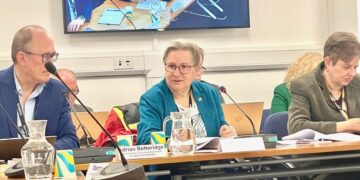
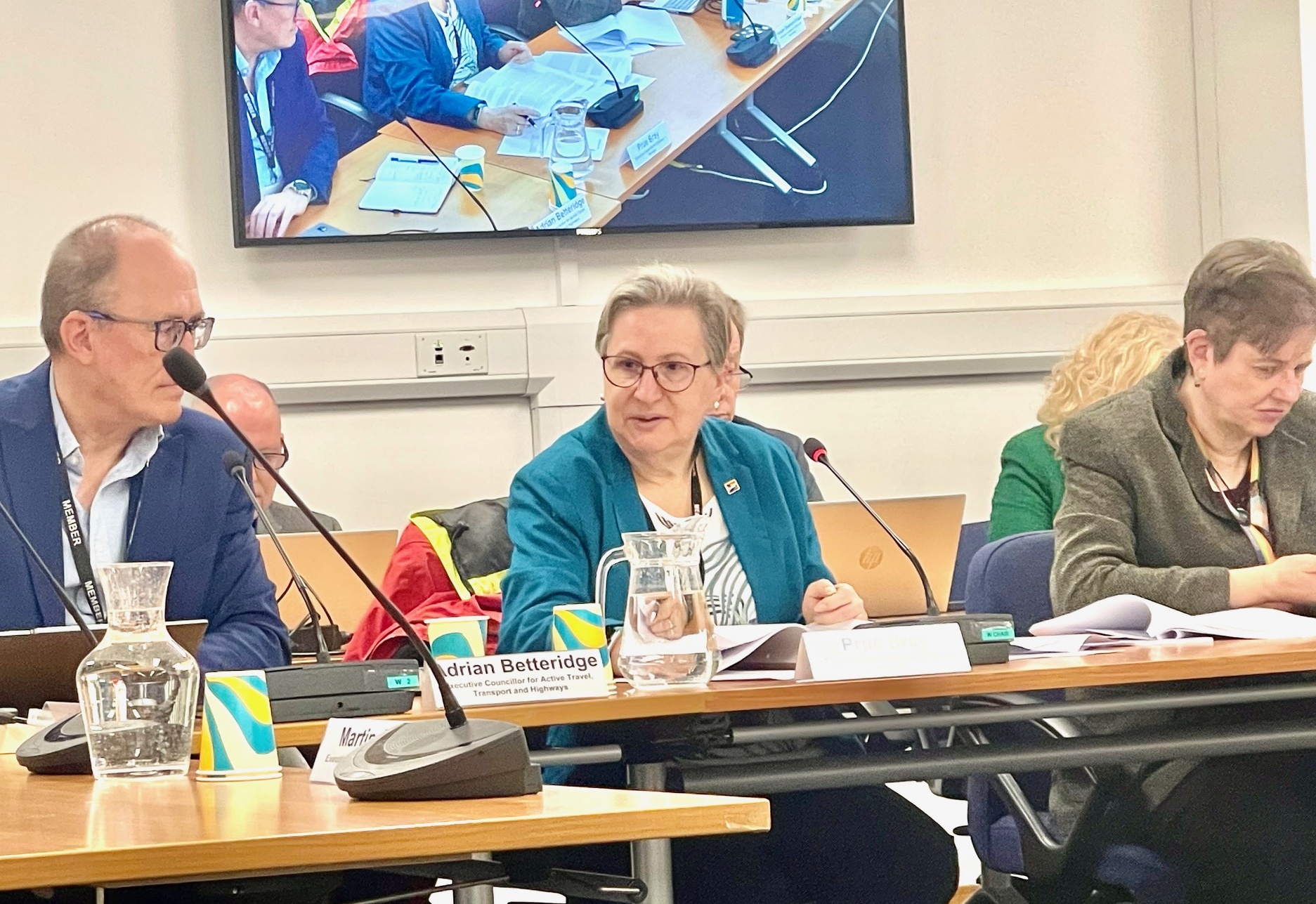
Deputy council leader, Cllr Prue Bray, explained misconceptions”surrounding public consultations, and how the council is not obliged to act on the results.
She said at last week’s meeting: “This is an opportunity to explain how the local authority will approach consultations, and how we’ll engage with the community.
“I think there have been some misconceptions in the past about how we do consultation. because there’s been view by some people that if the council conducts a consultation, whether it’s one that we’re required to do by law or one that we choose to, they seem to think that we have to follow what the majority of respondents say, and that if we don’t do that, we’re wrong.
“But that isn’t the case.
“The number of people who respond to consultations is not always a representative sample, and it may be a very small number.
“We need to make sure not only that engagements are fair, but also that we’re not simply responding to those who shout the loudest.
“And more than that, sometimes there is no choice but to do whatever we are consulting on, and what we need to see is the points people raise and make sure that we’ve addressed them. If necessary, by modifying what we do, and quite a lot of our consultations are quite technical.
“I could give you an example about traffic regulation orders, but planning applications is the one that most people are familiar with.
”We can’t make a decision on a planning application without a public consultation, but we’re not allowed to make those on the basis of how many people object to them, or how many people are in favour of them.
“We have to make them on the basis of whether the application conforms to national “We don’t count how many people are objected.
“Sometimes in our consultations, we don’t help ourselves because we need to be clearer with people about why we are consulting.
“Sometimes we ask questions in a way that suggests we are counting objections, when we ought to be offering people away to suggest improvements or changes more clearly.
“So I hope it’s clear from the strategy, this is not an attempt to stifle public engagement, it’s a way to ensure that public engagement is actually meaningful.”