

































The boss. The ruler. The cat.
Anyone who lives with one knows they tend to run the household. But even the most confident feline can be quietly hiding a painful dental problem.
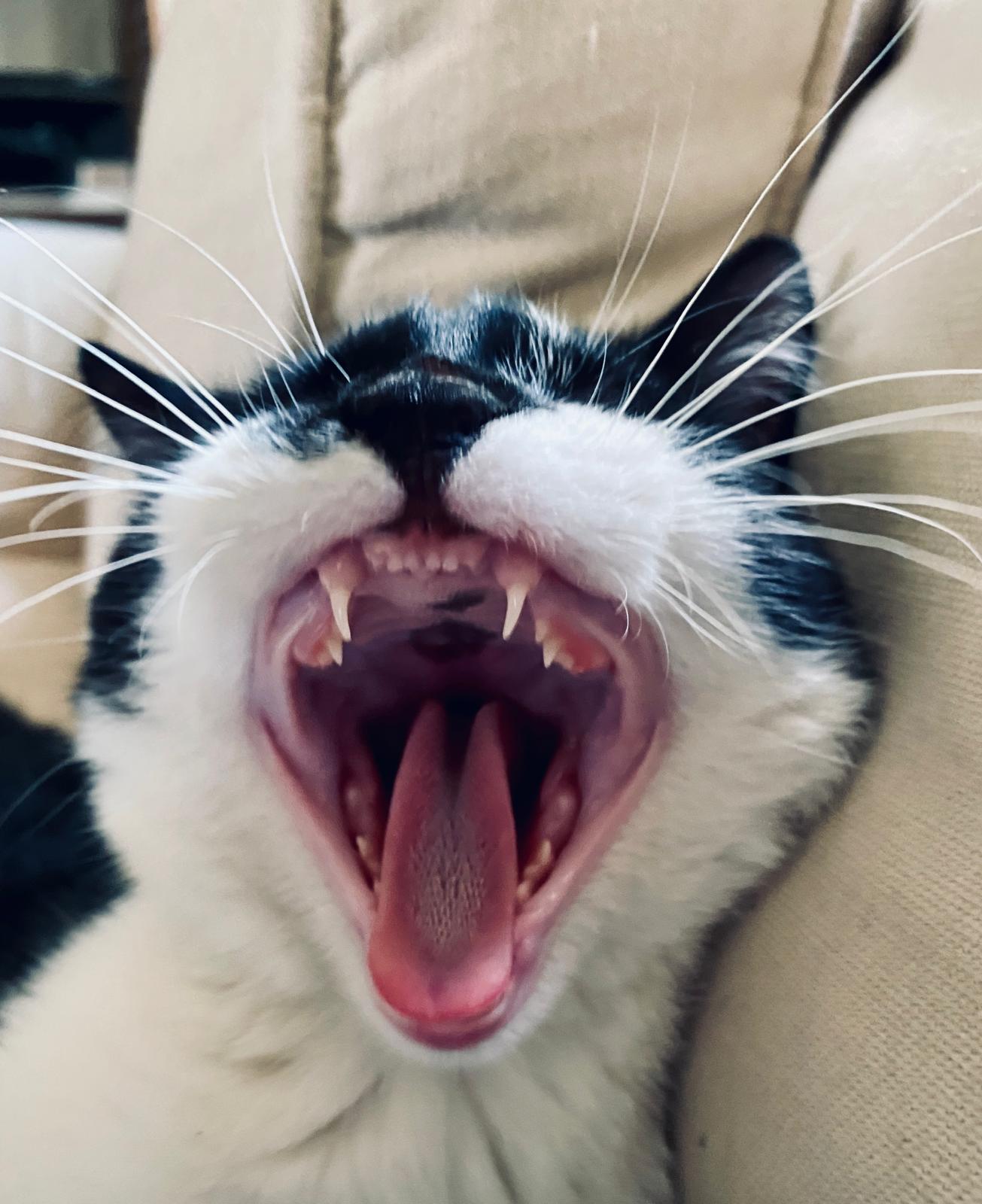
Cats have 30 teeth, and just like humans, those teeth can develop disease. The difficulty is that cats are experts at disguising discomfort. Many will continue eating, playing and behaving normally even when something hurts.
This means dental disease can develop without obvious warning signs.

Seeing the dental problems you can’t see
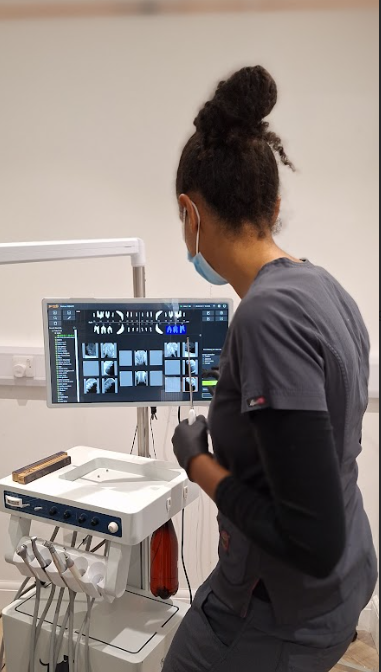
Many owners assume their cat’s teeth are healthy simply because they look fine on the surface. However, around 60–70% of a cat’s tooth structure lies beneath the gums, completely out of sight; meaning a visual check alone isn’t enough to diagnose them. This is why cats should have their teeth X-rayed regularly.
Using small amounts of radiation (similar to those used in human dentistry), dental X-rays help vets:
- Examine tooth roots
• Detect infections or abscesses
• Identify hidden fractures
• Diagnose conditions such as tooth resorption
• Ensure roots are fully removed during extractions
To capture these images safely and accurately, cats need to be under general anaesthesia. This allows them to remain completely still, comfortable and stress-free for your pet.
Protecting your cat’s teeth at home
While dental X-rays help identify hidden disease, prevention at home is crucial.
Simple habits such as brushing your cat’s teeth and using effective dental products can reduce plaque build-up and support long-term oral health.
Want to learn more about protecting your pet’s dental health?
Pop in to see us at Luna The Dental Vets on Howlett Grove (next to Coop & St Cecelia’s), chat to our clinical team over Whatsapp or book a free 20 minute dental health assessment online at www.luna.pet
After all, if your cat rules the house, they deserve a healthy smile to match.