



































Eager Wokingham residents have declared war on an alien species this spring.
The so-called ‘Friends of Town Lane’ are fighting a brave battle against the odds against the hostile invasive force: Spanish Bluebells.
Their leader Shirley Boyt is working hard to protect ancient woodland like the ones on the edge of Bulmershe Park – her goal: to give English bluebells a fighting chance.
Together with her fearsome warriors, she has been given permission to remove invasive species from around the ancient woodland.
Spanish Bluebells were originally imported into the UK as bulbs, but unfortunately they have stronger genes than the English ones.
And who’s to blame? Well it’s partly the bees. Pollinators land first on the Spanish bluebells, then on the English ones, and they hybridise the invasive bluebell: hyacinthoides hispanica with the native variety hyacinthoides non-scripta.
When Spanish bluebells cross pollinate with English ones, the Spanish DNA wins the battle, and one day the English one will be no more.
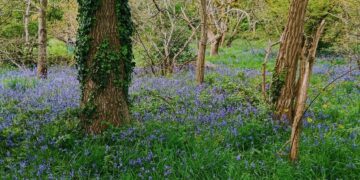
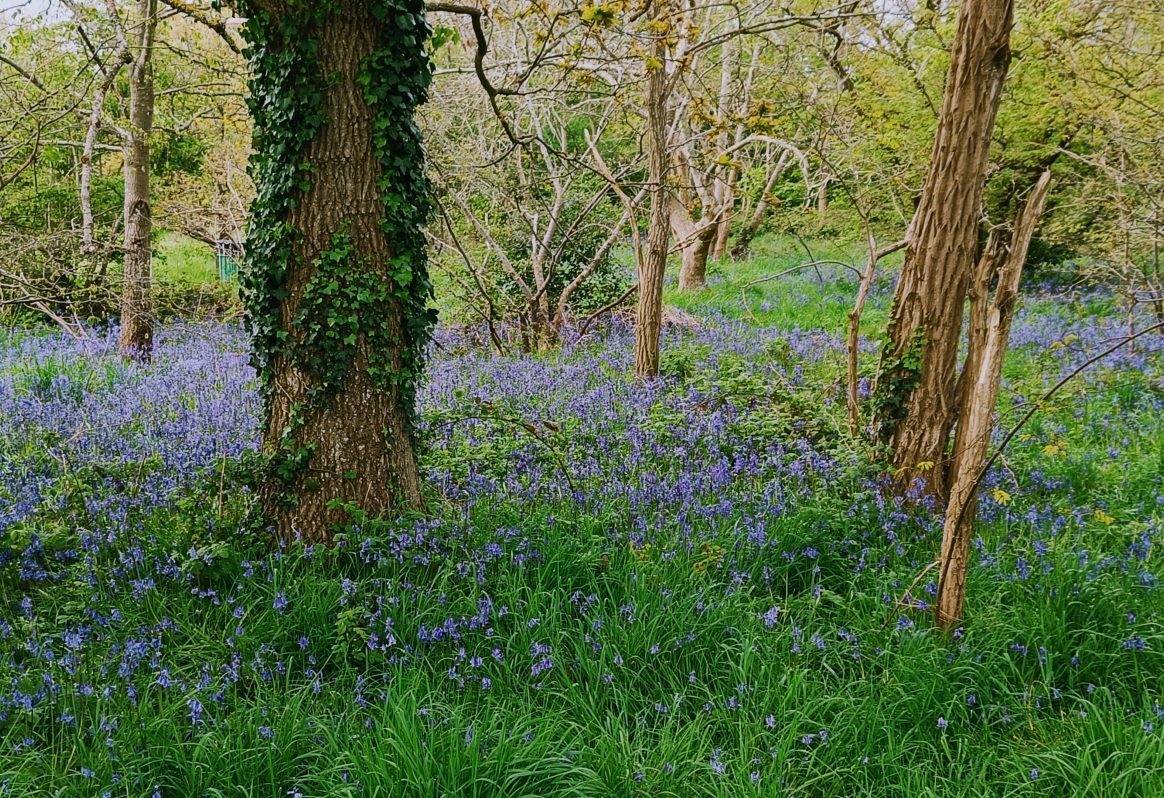
Ms Boyt said: “You can see this is quite a sizeable bluebell wood. In about a month these will burst forth and there will be a carpet of blue.
“The ecosystem here is unique. There’s all sorts of species here that don’t exist anywhere else.
“We’re creating a firebreak between the Spanish invaders and the natural bluebell wood.
“You often have to fight a losing battle, but that doesn’t mean you can stop. All of these will have to go.
Ms Boyt has strong supporters within the executive for her work. Cllr Katrin Harding, executive member for environment and climate emergency, has invasive bluebells in her own garden.
She said: “English bluebells are an important part of our woodland heritage and with around half of the world’s population here in the UK, we have a real responsibility to protect them.
“Spanish bluebells can spread quickly and can hybridise with our native species, so removing them from ancient woodland helps safeguard the distinctive bluebells people know and value.
“Anyone carrying out this work must be sure they can tell the species apart and should always have permission from the landowner.
“It’s also a good reminder for all of us to choose native plants in our gardens, especially near woodland, as this is better for both our bluebells and local wildlife.”