




























ANYONE working outside in the borough will be familiar with the weather challenges that January has thrown at them.
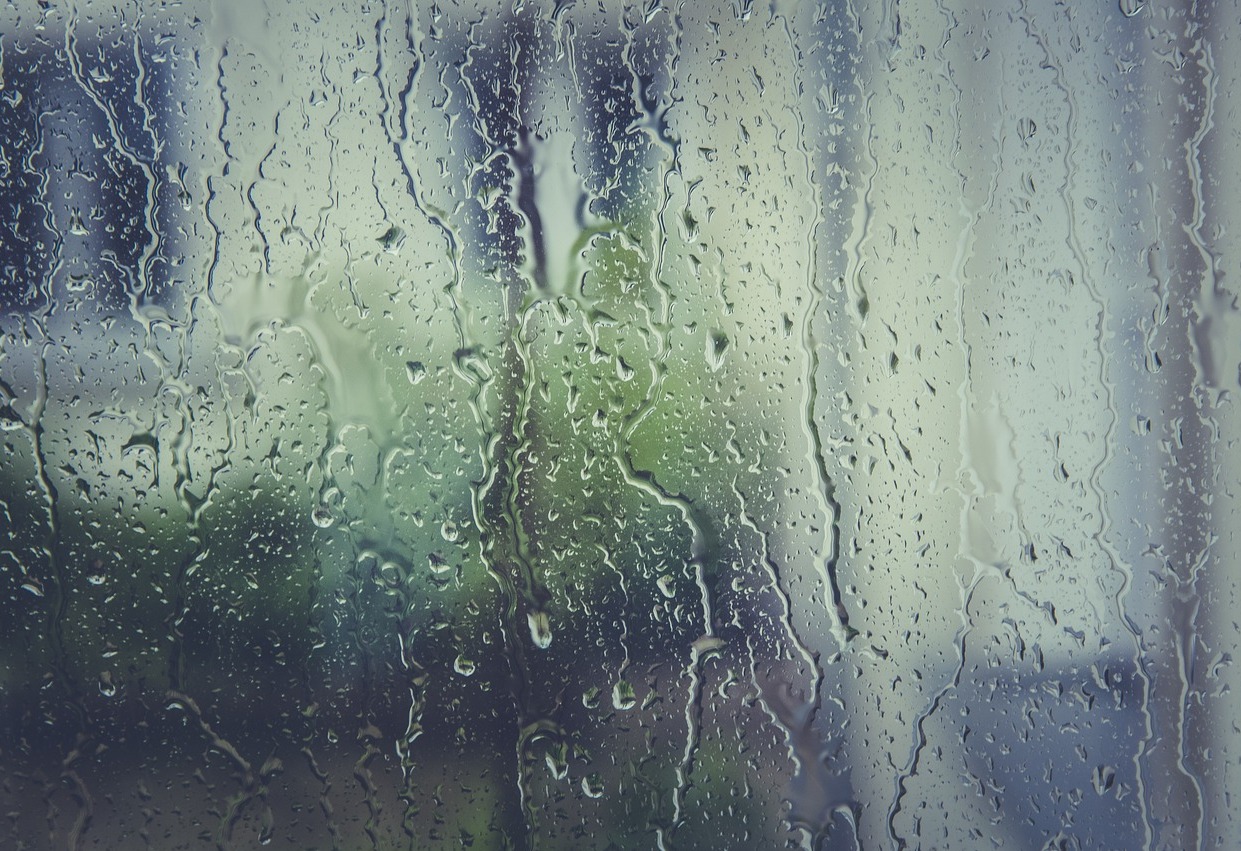
Deep puddles, soggy ground, and wet commutes have all featured heavily during this past month.
And yet, last year was so dry.
“After what seems like weeks and weeks of unbroken rainfall, it is becoming harder to recall that last year was one of the sunniest and warmest on record in Reading, as well as the driest for 20 years,” says Dr Stephen Burt from the University of Reading’s meteorology department.
If you were beginning to think that it has rained every day since the start of 2026, you wouldn’t be far wrong.
After a cold, dry and sunny first few days of 2026, rain has fallen every day except one in the 29 days since and including January 6.
With 24 of these having been consecutive, it is now the longest unbroken spell of days with rain since daily rainfall records began at the university in 1908.
Longer even than the previous record of 23 days recorded in December 1934 and equalled in January 1970.
“As well as the frequency, the amount of rainfall has been noteworthy,” says Dr Burt.
He notes that this has been the fourth wettest January in almost 120 years.
January’s total precipitation this year (mostly rainfall, with a little snow) was 120.6 mm.
Only in 1939, 1995 and 2014 were there wetter Januarys.
And already, by the first week of February, more than a quarter of last year’s entire rainfall total has fallen.
That’s more than twice the normal expected amount for the period.
The sun has made a few short, and very welcome visits, but further rainfall is expected, which may extend the current record of consecutive wet days.
“Based on current forecasts,” says Dr Burt, “the spell may stretch to 29 days, far beyond any such spell previously recorded in Reading.
“Roll on spring.”
For information, visit: reading.ac.uk/meteorology