


























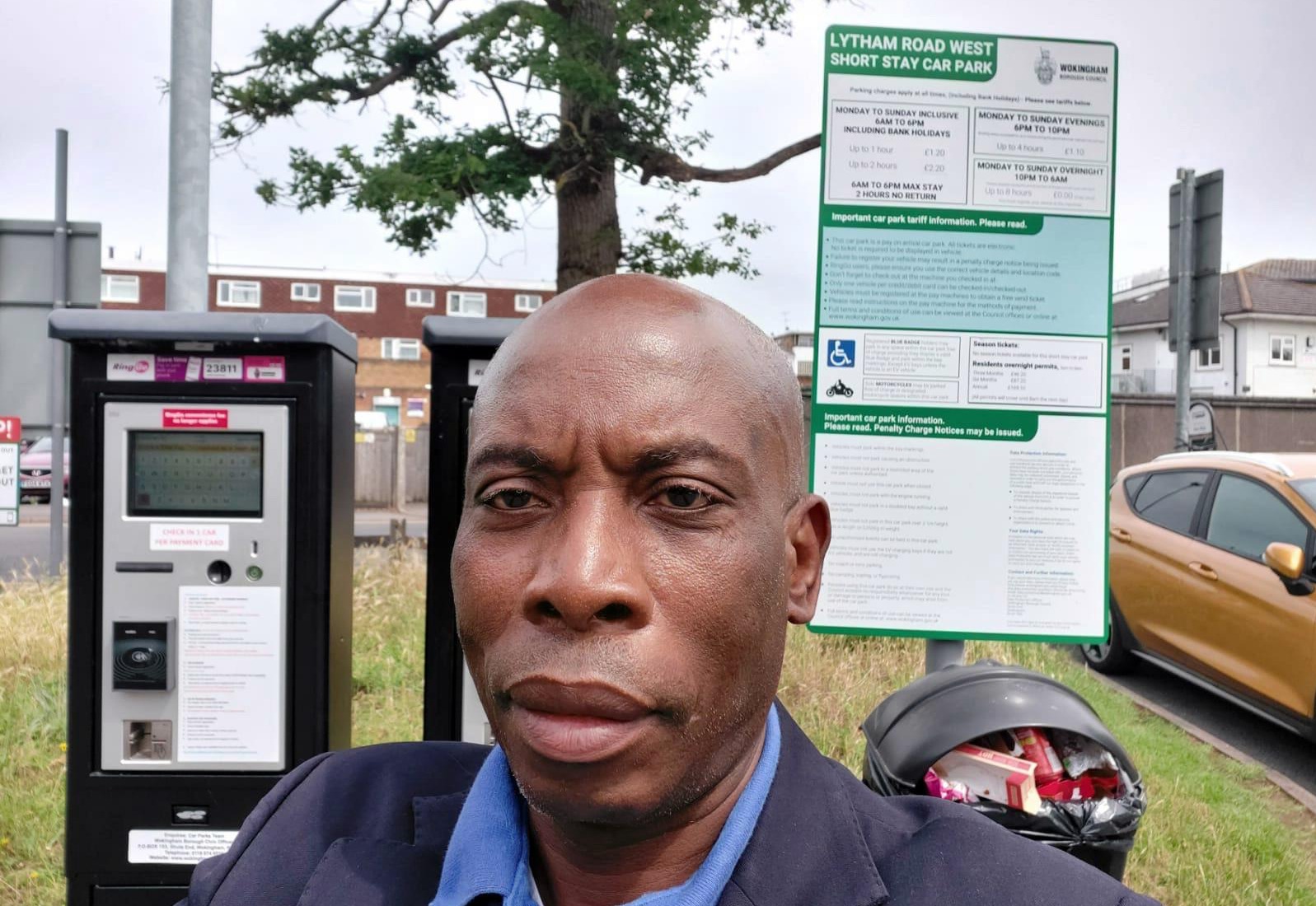
Over the last four years, the LibDems have dramatically increased car parking charges across Wokingham Borough, with fees more than doubling and further increases planned for 1 July 2026. Charges are also being introduced in car parks that were previously free. What began as routine adjustments has shifted into a sustained, aggressive attack on motorists that treats the family car as a dependable revenue source. As another round of increases approaches, it is worth asking whether this relentless extraction of parking income is undermining the very economic activity our town centres rely on.
Residents and businesses argue that affordable, accessible parking is essential for a thriving high street. Surveys consistently show this. For example, 38% of people say that cheaper, easier parking is the single biggest factor that would encourage them to shop locally more often. The Federation of Small Businesses has repeatedly highlighted parking costs as a major barrier for independent retailers and their customers. When access becomes more expensive, consumer behaviour shifts. People choose out‑of‑town retail parks or online alternatives, and local businesses feel the impact.
Parking charges function as a regressive deterrent. By raising the cost of entering our town centres, the LibDem-run Council is effectively imposing a tax on footfall. Each increase adds to a cumulative burden that small businesses struggle to absorb. Higher parking costs discourage casual visits, which reduces turnover, which then weakens the local tax base. To fill the resulting financial gap, charges rise again, deepening the cycle.
Evidence from elsewhere reinforces these concerns. A February 2026 impact report commissioned by Nailsea Town Council found that newly introduced parking charges had a measurable negative effect on the high street. Of the 87 businesses surveyed, 79% reported a decline in turnover, averaging 27%, alongside a 29% drop in footfall. Similar patterns are emerging across Wokingham Borough, where ongoing business closures increasingly follow reductions in customer numbers.
The assumption that higher fees are necessary for revenue is, critics argue, a false economy. Sustainable public services depend on a strong tax base, and a strong tax base depends on vibrant, well‑used town centres. Treating motorists as a “cash cow” risks undermining that foundation. Instead, parking should be viewed as essential economic infrastructure.
Alternative approaches exist. Digital validation schemes could allow businesses to reimburse parking for customers who spend above a certain threshold, turning parking from a deterrent into an incentive. Variable pricing or offering the first hour free could encourage the short, frequent visits that sustain independent shops and cafés.
Continuing to raise charges during a period of economic strain risks further damaging local trade. Wokingham’s potential for growth is significant but realising it requires policies that draw residents into our town centres rather than pushing them away.
By Cllr Moses Iyengunmwena