


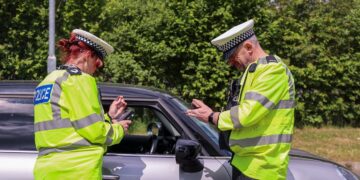






























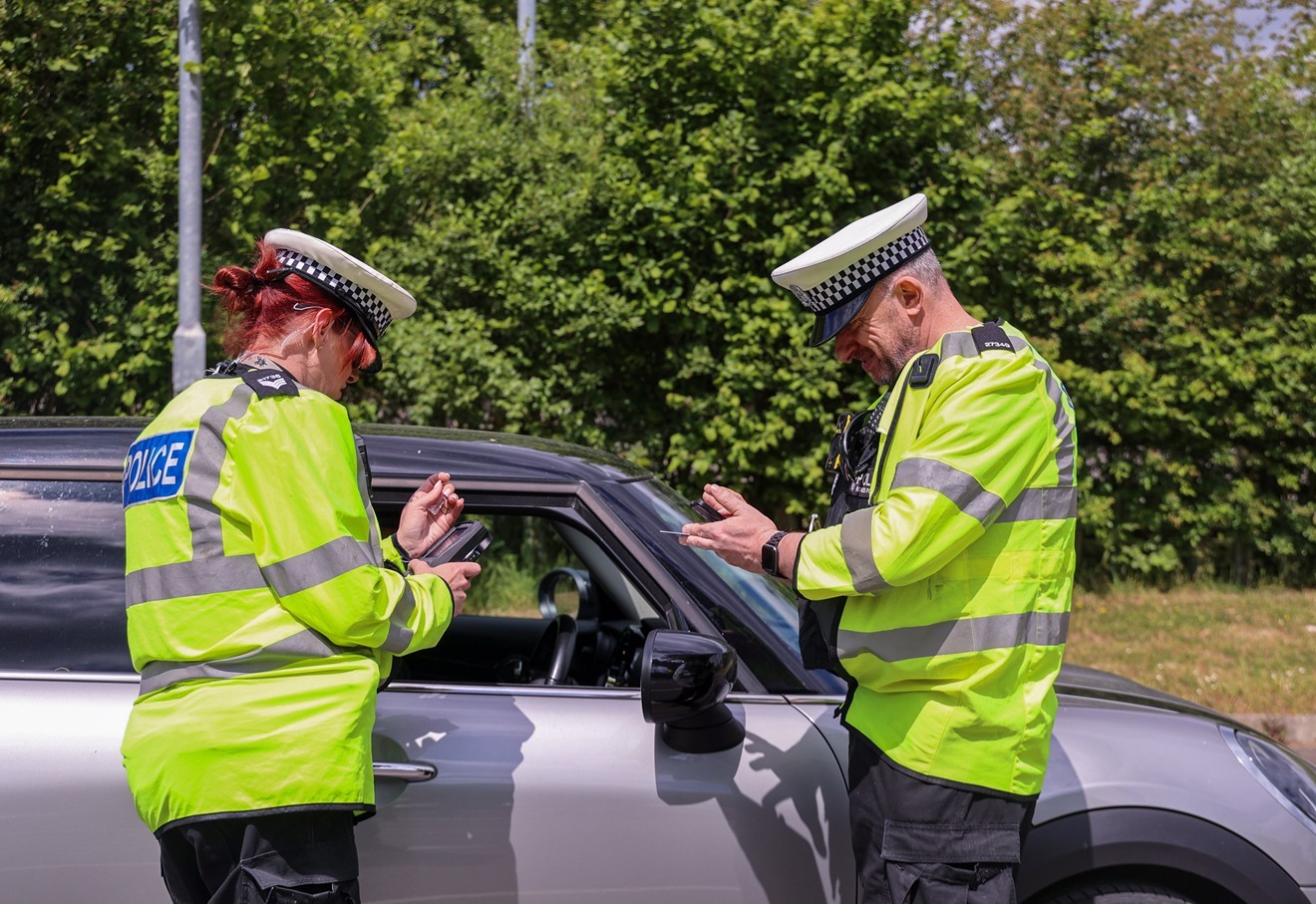
A pioneering nitrous oxide breathalyser believed to be the first of its kind in the world is being trialled by Thames Valley Police and Hampshire & Isle of Wight Constabulary in a bid to crack down on drug-driving offences.
The cutting-edge device is being tested by officers to determine whether it can accurately detect drivers who are under the influence of nitrous oxide, commonly known as laughing gas or NOS.
If successful, the technology could pave the way for motorists caught driving after inhaling the drug to face prosecution for drug-driving offences.
Nitrous oxide was reclassified as a Class C drug under the Misuse of Drugs Act in 2023, with offenders facing up to two years in prison for possessing it for unlawful use.
Police say driving while under the influence of NOS is becoming an increasing danger on UK roads, particularly among younger motorists.
The drug can cause dizziness, impaired judgement and unconsciousness, while repeated use can also lead to neurological damage or death through oxygen deprivation.
Officers involved in the trial referenced the deaths of three teenage passengers in Oxfordshire in 2023 after a car crashed into a tree on the A415 near Marcham.
Driver Thomas Johnson, then 18, had reportedly been filmed inhaling laughing gas moments before the collision. He was travelling at speeds of up to 100mph when the crash killed Ethan Goddard, Daniel Hancock, both 18, and Elliot Pullen, 17.
Acting Superintendent Emma Hart, from the Joint Operations Roads Policing Unit, said current legislation had been difficult to enforce because no roadside device existed to prove a driver had recently inhaled nitrous oxide.
She said: “There is currently no device available that can prove a driver inhaled laughing gas, making prosecution difficult.
“That is why our forces are leading this testing phase, to break new ground and prove these devices can help save lives on our roads.”
The handheld device was developed by Respira Technologies following research conducted at Vrije Universiteit Amsterdam.
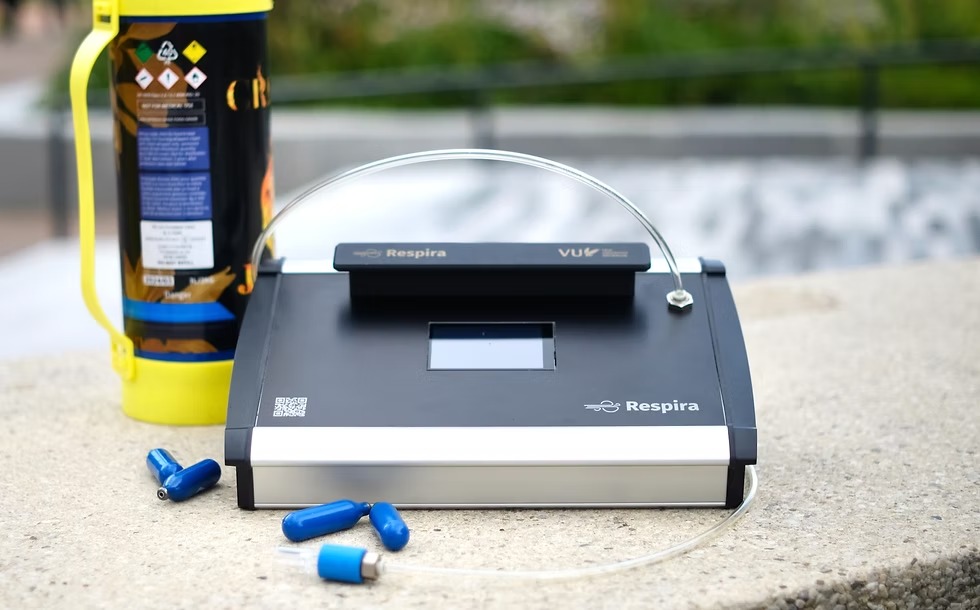
Police said the portable device can provide results within minutes and is capable of detecting nitrous oxide use up to two hours after inhalation.
The trial has been funded through the National Police Chiefs’ Council’s Science and Technology Strategy Test and Learn programme, with officers across both forces set to test the device until 5 June.
Matthew Barber, Police and Crime Commissioner for the Thames Valley, described the trial as “an important step in keeping roads safe”.
He said: “The misuse of nitrous oxide, particularly amongst younger drivers, is an increasing concern, and until now it has been difficult for officers to evidence its use at the roadside.
“Too many lives have already been lost due to reckless decisions behind the wheel, and this technology has the potential to help prevent further tragedies.”