





























Wokingham Borough is an area of high housing costs.
People who could purchase a house in other parts of the country are priced out of the local market. Even private rentals are beyond reach for many; the private rental market in Wokingham is relatively small and getting smaller as landlords leave the market due to tax and regulatory changes.
Those unable to buy or rent market housing include young people in good jobs but early in their careers when their earning power is still too low to afford a place of their own; those of all ages trapped in low-paid work; and those who have suddenly found their circumstances have changed, through traumatic events like bereavement, disability, unemployment, and family breakdown.
Successive governments have placed great faith in the market to make housing more affordable. Ministers instruct councils to give planning permission for required number of new homes each year based on a calculation of housing need that uses local earnings and house prices as its foundation. The assumption is that by increasing supply, house prices will stabilise or even fall, enabling more people to have homes of their own.
In practice, however, despite very large numbers of new homes being approved in our area in recent decades, house prices have risen relentlessly.
Part of the explanation for this seeming defiance of the law of supply and demand is the understandable reluctance of house builders to flood the market and see their profits squeezed. Instead, they have carefully managed supply to maintain high prices. Shockingly, over a million new homes have received planning permission in England in recent years, but have remained unbuilt as developers seek to control prices.
Besides this general problem, our area has a particular problem. Our proximity to London means that demand for new housing is almost insatiable, as more and more people leave the capital for more attractive housing and a better life in areas like ours. Internal migration has been going on for generations, but it’s been turbo charged by Covid and the development of working from home. Our good transport links into London make us a natural destination for those who still want to work in the capital but prefer to live within easy commuting distance. This demographic trend has brought many benefits to our area, but it has undoubtedly added to local housing pressures.
If the market cannot make housing in our area more affordable, then we have to find solutions beyond the market. This is where Affordable Housing comes in. I’m not referring to market properties that people can afford to buy or rent, but to various forms of non-market or sub-market housing. In this category come discounted market homes, shared ownership homes (part buy, part rent), affordable rental properties (where the rent is set below market rates) and – most accessible if all – social rental (where the rent is set substantially below market rates).
Wokingham Borough Council’s new local plan, currently at inspectors’ examination, seeks to increase the quantity of Affordable Housing in the overall housing stock. New policies requiring a higher percentage of Affordable Homes on new market sites should make a real difference.
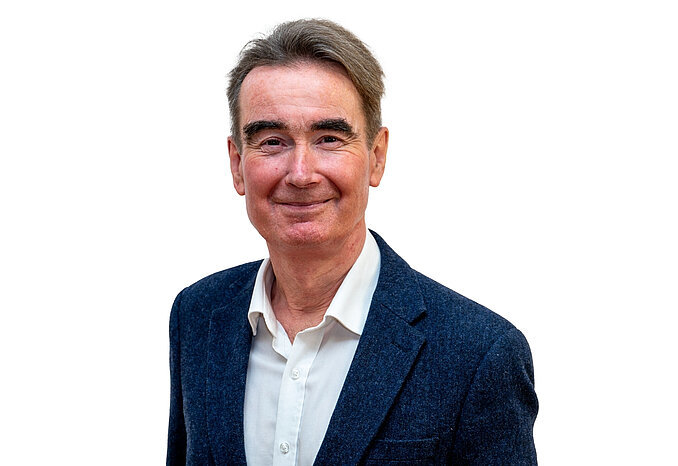
By Cllr Stephen Conway, leader of Wokingham borough council