




















![Reading Festival has laid out its Look Out For The Planet pledge ahead of its return next week, bringing measures set to promote sustainability. Picture: Luke Dyson [LukeDyson.com]](https://wokingham.today/wp-content/uploads/2026/08/Img1871502-360x180.jpg)


For many decades, local government has had much of its activity determined by national government. At times, it feels as though we in local councils (both elected councillors and professional officers) are merely the implementers of decisions made in Westminster and Whitehall. Recently, the sense that key decisions are made outside council chambers has been reinforced by the keenness of successive governments to create regional strategic authorities. Sitting between central government and local councils, these strategic authorities are meant to exercise power over wide geographical footprints, with the aim of driving forward major infrastructure projects, such as transport improvements, which cross council boundaries.
Regional government can play a positive part in bringing improvements that will benefit us all, levering in much-needed public and private investment. But to avoid a sense that all the key decisions are made elsewhere, councils must respond by sharpening their focus on their different localities, meeting local needs and aspirations, and empowering local communities.
Wokingham Borough Council began work on our own localist agenda shortly after the current administration was formed. We have helped residents and local stakeholders create the Communities Vision 2035. Based on the aspirations voiced in extensive public consultation, including with young people, who are of course the future, the Communities Vision sets out the broad strategic objectives that the co-authors want to see delivered for the borough and its component communities. The Communities Vision – with its emphasis on inclusive communities, where everyone has the chance to thrive, easier access to green spaces, and better connectivity between the different settlements of the borough – is now a major influence on council policy.
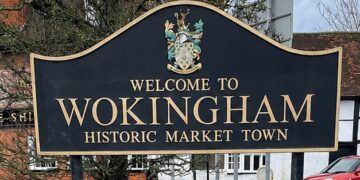
The borough council’s town- and village-centre strategies can be seen as another attempt to focus on the different communities that make up the borough. The overall aim is to help our retail centres adapt to new trading conditions, and particularly the threat of online shopping. We have begun with three very different places, with very different challenges – Wokingham town, Woodley, and Twyford. The intention is to develop further tailored strategies for each of the other town and village centres. As with the Communities Vision, this work on retail centres is shaped by the aspirations of local businesses and local people.
The borough council is also focusing on the local in its approach to the delivery of services. We will be establishing Community Hubs, allowing easier access to what the council and its partners can offer. A start will be made with Woodley, where all the data tells us there is a need for more concerted local help, and Arborfield, where large-scale housing development is creating a new settlement, which the council wants to help become a new community.
A local focus requires the borough council to engage more closely with our town and parish councils. These councils have great local knowledge and experience of running local facilities. The borough council is now devoting energy and time to developing a new compact with the town and parish councils that better recognizes the key role they play in their communities and seeks to give them opportunities to do more in partnership with the borough council.
At a time when the tendency is for more government on a big scale – national and regional – we at Wokingham Borough Council want to provide a way forward based on our different towns and villages, which respects their distinct characters and identities, and offers a counterbalance to what can seem like remote and distant decision making.
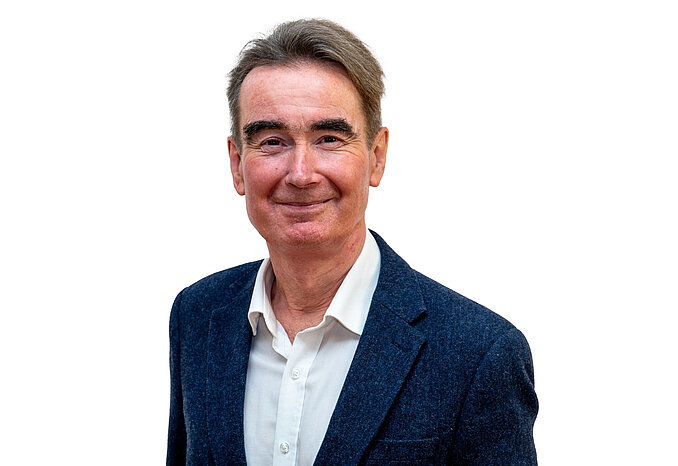
By Cllr Stephen Conway, leader of Wokingham borough councul