




























![Reading Festival has laid out its Look Out For The Planet pledge ahead of its return next week, bringing measures set to promote sustainability. Picture: Luke Dyson [LukeDyson.com]](https://wokingham.today/wp-content/uploads/2026/08/Img1871502-360x180.jpg)



Wokingham borough council must urgently address ‘widespread and/or systemic failings’ leading to significant concerns about the experiences and outcomes of children with special educational needs and disabilities (SEND), a recently published report reveals.
Following an area SEND inspection of the Wokingham local area partnership in January 2026, Ofsted and the Care Quality Commission (CQC) have ordered the urgent submission of a priority action plan.
Inspection Timeline:
-
Next 18 months: A targeted monitoring inspection will be carried out.
-
Within three years: A full reinspection of the local area partnership is expected.
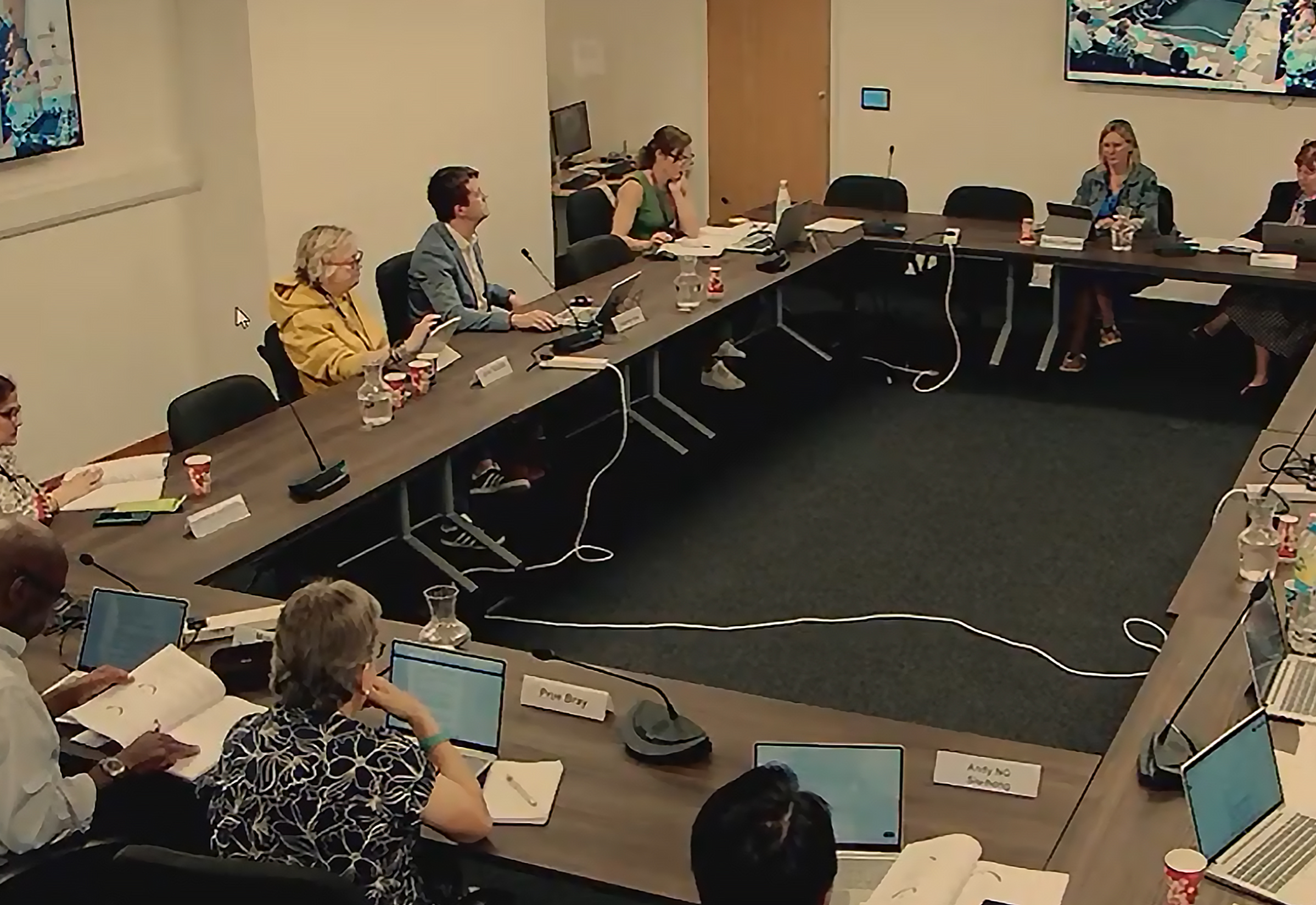
The alarming findings were confronted at the council’s children’s services overview and scrutiny committee earlier this month.
The stark disparity between the critical Ofsted report and the council’s own optimistic performance dashboards was heavily criticized.
Resident Craig Dommett questioned whether the committee was genuinely surprised by the outcome, pointing out how data was being presented to suggest a “positive direction of travel” while masking severe systemic failures.
He highlighted two major discrepancies:
EHCP Timeliness: The dashboard celebrated a 68% success rate for issuing Education, Health and Care Plans (EHCPs) within the 20-week target in Q3. Dommett noted this obscures the reality that the council “failed in their legal obligation” in 32% of cases.
Annual Reviews: The legal requirement to conduct annual reviews is being missed in over half of all cases — a critical failure completely omitted from the main SEND reporting dashboard.
“What chance do children and young people have when even the most basic legal requirements are not being met?”, Mr Dommett asked.
“If the SEND department is unable to identify and admit the failings, then how are they going to be able to fix it?”
Committee Chair Cllr Andrew Gray did not shy away from the criticism, stating the findings “are serious, and it is right that they raise concern.”
He admitted that headline performance metrics often obscure the truth, specifically conceding that failing statutory timelines in a third of cases represents a clear failure of legal duty to families.
Gray identified the specific systemic weaknesses highlighted by the inspection:
Severe delays in NHS-commissioned wheelchair provision.
Poor overall data quality.
Failures in delivering required health contributions within EHCPs.
Despite the bleak assessment, Gray noted the local SEND system is slowly emerging from a “.. historic low base” that requires total system reform. He conceded, however, that these early foundational improvements have not yet translated into better outcomes for Wokingham’s children.
To rebuild public trust and ensure transparency, the council is expanding collaborative oversight. The Parent Carer forum now holds seats on both the scrutiny committee and the health and wellbeing board, where the Integrated Care Board is also represented and held accountable.
Furthermore, work is already progressing on a Joint Strategic Needs Analysis — a key priority action demanded by the inspection — which was initiated prior to the report’s publication.
“We are working to address whole system reform in acknowledgement that things need to change,” Gray concluded, promising the committee will now rigorously scrutinize both the quality and timeliness of EHCPs moving forward.”
Cllr Prue Bray, deputy leader and executive member for children’s services,told Wokingham Today: “We fully recognise the concerns raised by the inspection and we’re committed to making sure every child and young person with SEND gets the support they need to thrive.
“The report is clear that the Local Area Partnership including health services, education and the council, must improve. While it recognises the commitment of staff and the investment the council has made to strengthen SEND services, we know too many children and families are not yet consistently experiencing the support they deserve.
“Since the inspection in January, we’ve been working closely with our health and education partners to deliver the priority actions, including strengthening governance and oversight, establishing a dedicated improvement programme and implementing recovery plans across the partnership. While this work is well under way, we know there is much more to do.
“Improving outcomes for children and young people with SEND requires all partners to play their part. We remain fully committed to that shared responsibility and to delivering the lasting improvements that children and their families rightly deserve.”