






























Each week, Tim and Julia Haycocks, the husband-and-wife team behind Stowhill Estates Berkshire, will be tackling your property questions with honest guidance, clear opinions and useful, real-world advice for anyone navigating the Berkshire property market.
“We’ve seen a 16th-century listed property which we absolutely love and are desperate to buy, but my husband is worried about resale potential. He thinks the market for that type of house will be smaller and that we may struggle to sell it in the future. Should we be worried?”
E.F, Waltham St Lawrence
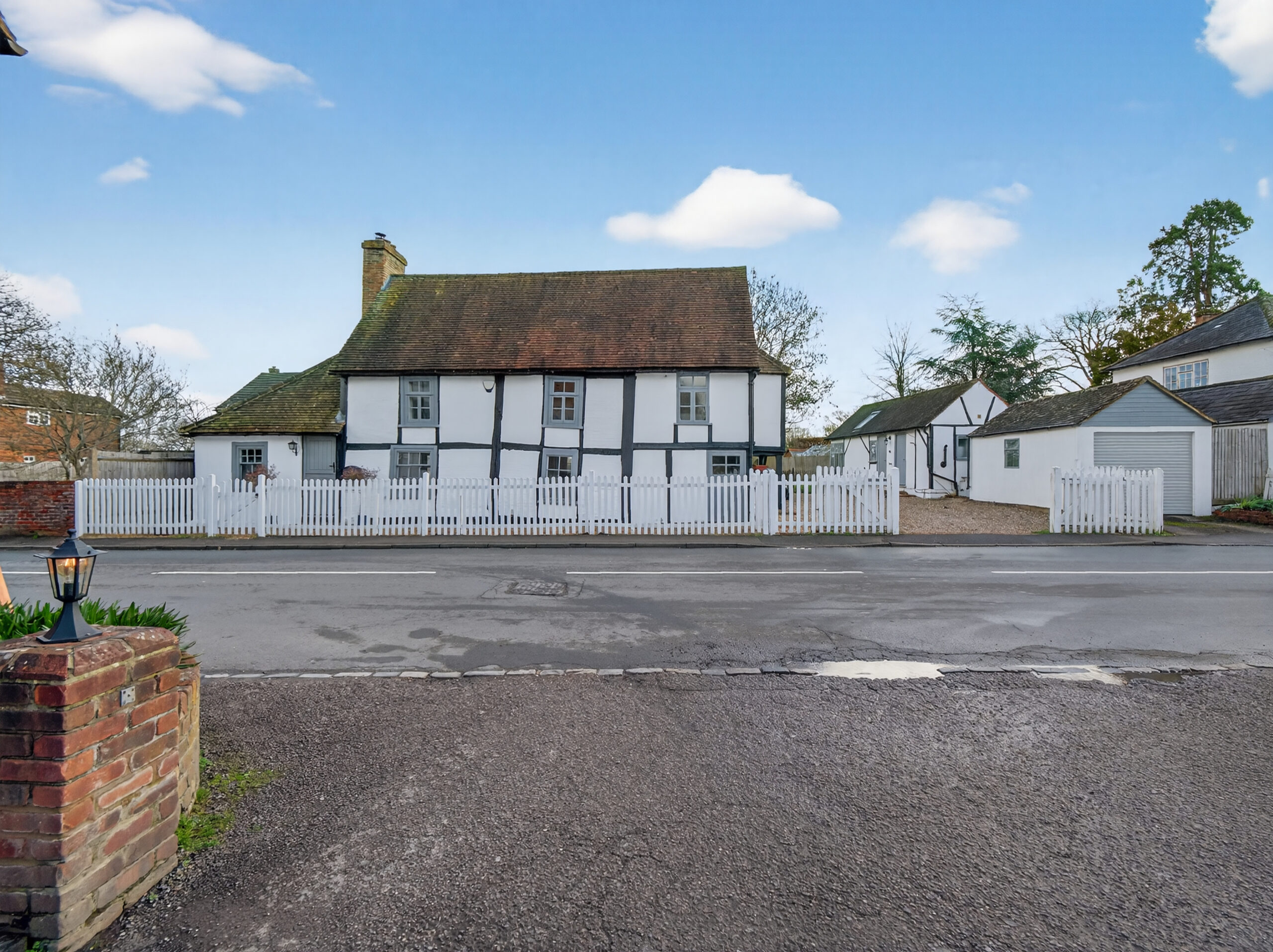
Firstly, if you have found a 16th-century listed house you genuinely love, I can completely understand why you are excited. These homes can be magical and are always some of our favourites to work with. Beams, fireplaces, wonky walls, history, atmosphere – all the things that make some people walk in and immediately start mentally planning Christmas and visiting antiques barns.
Your husband also has a point, though. The market for older or listed homes is usually smaller than the market for a modern, straightforward family house. Not everyone wants the responsibility, maintenance or quirks that come with them.
But smaller does not necessarily mean weaker. In fact, the buyers who want this type of home often really want it (just like you do!). They are not comparing it in quite the same way as they might compare one modern estate house with another. They are buying character, setting, atmosphere and a feeling they may not easily find again. Remember you are not dealing with a house in the middle of a new-build estate. You are dealing with a one-off proposition.
The important thing is to buy with your eyes open. Listed properties come with responsibilities. You need proper legal advice, a good survey, potentially input from a heritage specialist of some sort, clarity around previous works and an understanding (or acceptance) of what you can and cannot change. This is not the moment for “I’m sure it’ll be fine” optimism if the roof looks tired and the paperwork is missing.
For future resale, marketing matters hugely. An older home should not be marketed as just a list of rooms and measurements. It needs to tell the story. Why is it special? How does it feel to live there? Where do you sit in the evening? What makes the garden, setting, fireplaces, beams or old bread oven part of the charm?
At the same time, the marketing needs to be honest. There is no point pretending a 16th-century house is going to be perfectly aligned with right-angles in every corner and plug sockets exactly where you want them. That is not what it is, and it is not what the right buyer is looking for.
So, should you be worried? Not necessarily. But you should be informed.
A listed home will probably never appeal to everyone, but then neither does Marmite, open-water swimming or having a dog that costs more at the groomers than you do at the hairdresser! That does not make it a bad idea. It just means you need to know what you are signing up for.
If you love it, understand it, can maintain it, and buy it at the right level, it could be a wonderful home. As we say to lots of clients, your job at that stage is to be its custodian for the next chapter of its existence until you hand it over to somebody else to love.
All the best,
Tim & Julia