



































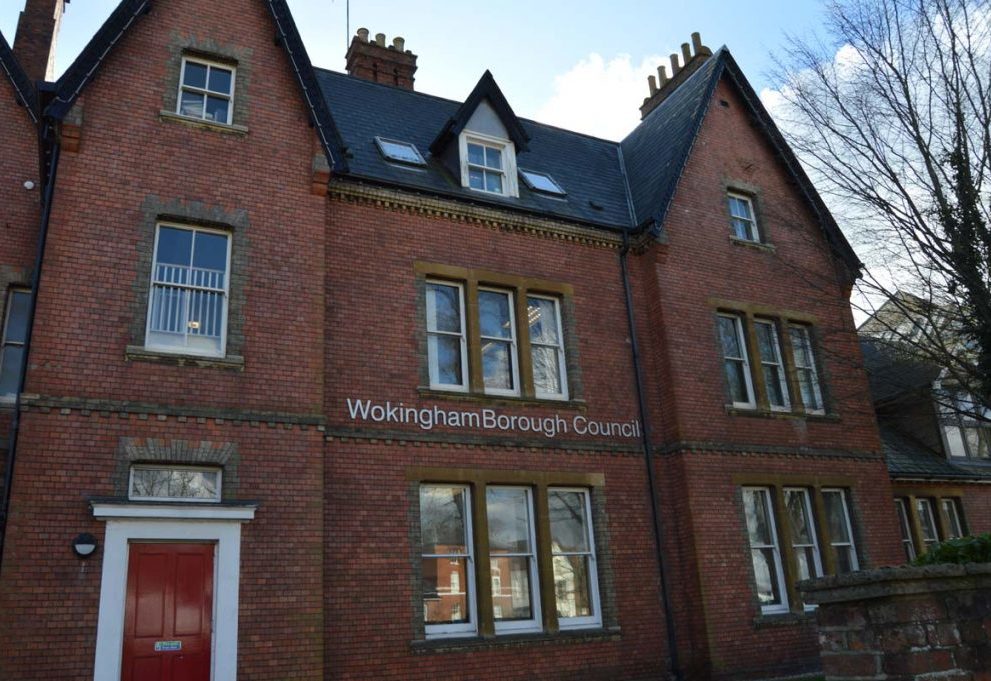
A report that will come before a meeting of Wokingham borough council next week has revealed it spent £5.621 million on its home to school budget (HTST) during the last financial year.
The meeting on the children’s services overview and scrutiny committee on September 2 will note how the council’s home to school transport assistance function provides an essential service to families who would otherwise struggle to get their children to and from school on a daily basis.
It represents an integral element of the council’s commitment to ensuring access to education for Wokingham residents.
The local authority has certain statutory duties in this respect, which it is funded in accordance with. It is therefore imperative that the council properly aligns this function with its statutory responsibilities, so as to ensure that the service is managed within sustainable funding parameters, and can continue to serve those most in need of the associated support within communities.
The report provides a summary of the current status of the council’s HTST function, assessed against the core metrics of demand and associated expenditure levels.
It also provides an update on the core elements of the council’s plan to reconfigure service provision within this area, with a view to making it more financially sustainable, whilst also promoting core objectives, such as equity, service user independence and preparation for adulthood. Through the successful HTST improvement and efficient work, driven and implemented jointly by the council’s education and transport teams, the council’s expenditure on HTST has consistently reduced over the course of the preceding three financial years, representing substantial savings relative to the established budgets for this period.
In 2023/24 it spent £6.908 million, and in 2024/25 it spent £6.243 million.
This reduction, it said, is as a result of the following key initiatives that have been implemented during this time, which are designed to promote greater independence, better outcomes for children / families, and associated cost reductions, stricter application of eligibility criteria and reformulation of the appeals process to underpin this, the promotion of personal travel budgets, and the promotion of independent travel training.