













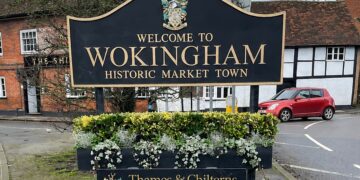








Wokingham Borough Council has always received low levels of central government subsidy for key services compared with other councils with the same range of responsibilities, as ministers, of all political complexions, have assumed that we are a wealthy borough and therefore do not need significant support. Ministers in successive governments have argued that we should raise the vast majority of what we need from local sources, especially the council tax.
From this financial year, 2026-27, our historically low level of support fell further and our dependence on locally raised income to fund our services became much greater.
We are in the first year of a highly unfavourable three-year local government finance settlement, a redistribution of government support away from councils such as Wokingham to councils perceived to be in greater need. Ministers call this redistribution or reset Fairer Funding, though to us it seems neither fair nor to provide us with much in the way of funding.
The borough’s wealth masks real problems generated by deprivation. Furthermore, government’s assumption that need is generated by deprivation alone is clearly false. Disability and age are other big causes of need.
By the end of the third year of the current local government financial settlement, we will have lost more than £43 million of central government support for the delivery of services to our residents. Plugging the gap created by the loss of government revenue support will require nearly all the council tax increases of the three-year settlement period, leaving nowhere near enough to cover inflation, never mind increased demand for our services.
Demand for our services increases partly because the borough’s population is growing. A particular feature of demographic growth in Wokingham is the higher percentage of the elderly in the total figure. As people live longer, many of them inevitably require more support.
Ironically, the local government financial settlement recognized the need for more funding for adult social care in Wokingham, acknowledging that population growth has created more demand. Yet the net impact of the settlement is a significant reduction in the borough council’s funding from government and an associated reduction in our ability to help those most in need.
We welcome the focus of the new prime minister on addressing the crisis in social care, and his recognition that without a properly funded social care system, the NHS, however much money is pumped into it, will buckle under the pressure. Effective social care delivered at home and in the community slows the flow of patients into hospital; just as importantly, properly funded social care enables patients to be discharged home and into the community and so prevents bed blocking in hospitals.
Last week, encouragingly, Baroness Casey, chair of the independent commission on adult social care, began what she describes as a Big Conversation – an opportunity for all interested persons and organizations to provide their views on social care reform, and especially the creation of a National Care Service. We will do what we can to facilitate that Conversation locally.
While discussion of reform of social care will be taking place at a national level, I hope on a cross-party basis, we are making representations to ministers to ensure that they understand the impact of inadequate funding here in Wokingham, both on our residents and on the local NHS.
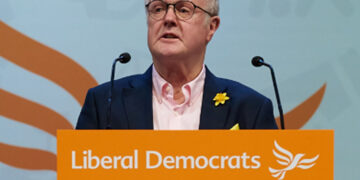
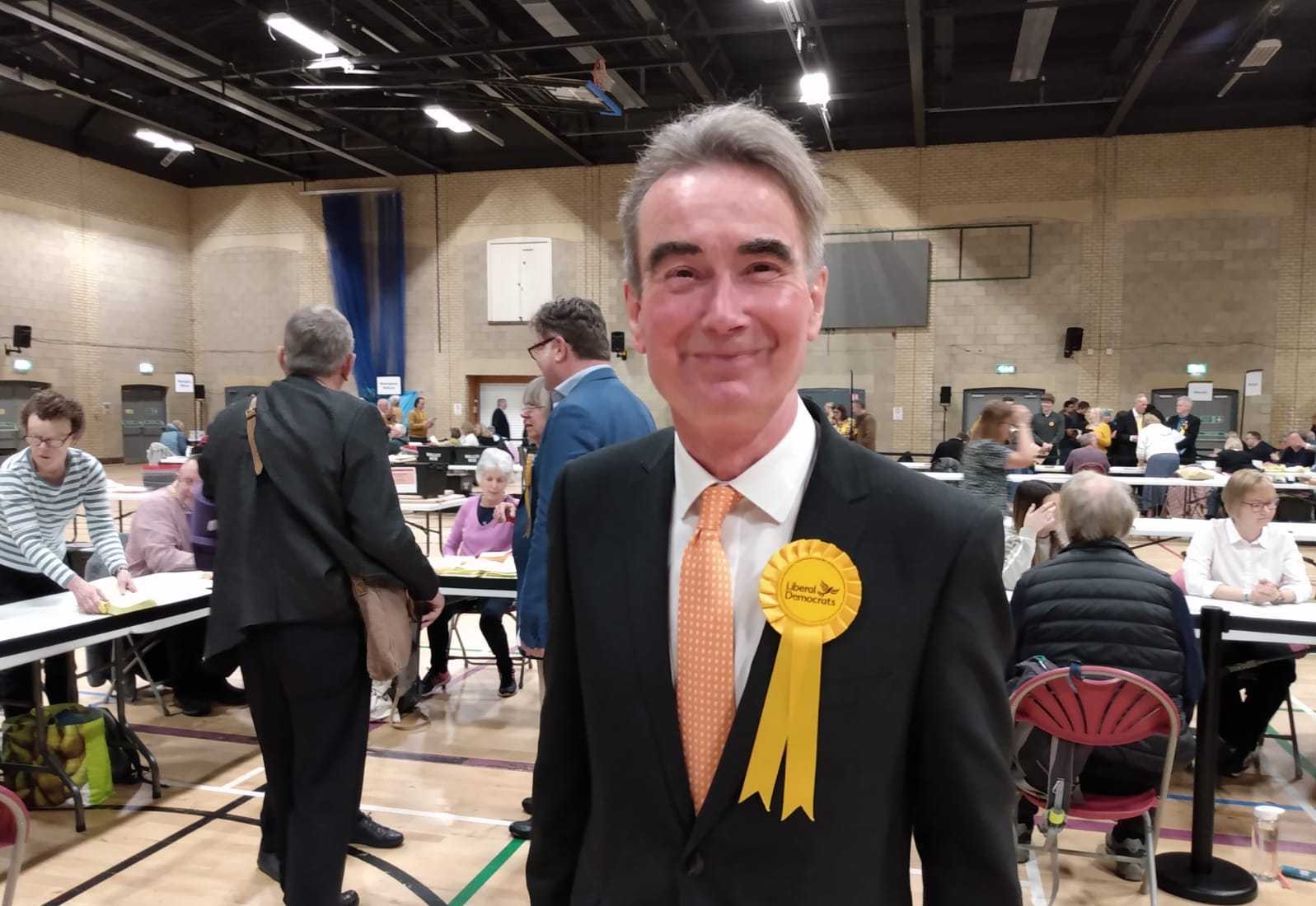
By Cllr Stephen Conway, leader of Wokingham borough council