



























![Reading Festival has laid out its Look Out For The Planet pledge ahead of its return next week, bringing measures set to promote sustainability. Picture: Luke Dyson [LukeDyson.com]](https://wokingham.today/wp-content/uploads/2026/08/Img1871502-360x180.jpg)





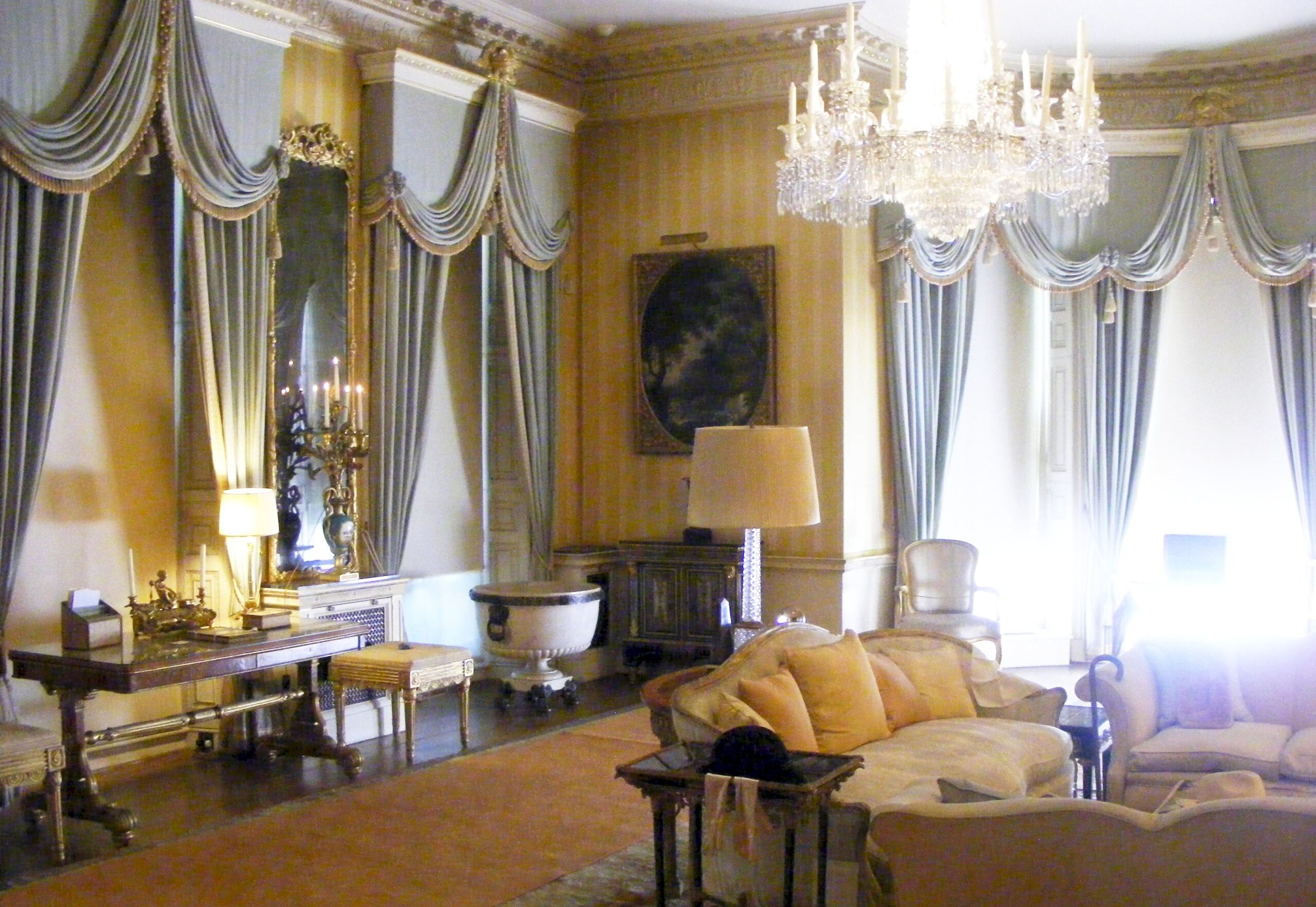
JULY IS the time when members of Wargrave Local History Society make a visit to a place of historic interest.
This year the location was Hinton Ampner, between Winchester and Petersfield in Hampshire.
On a warm sunny day, Wargrave Local History Society members visited the house and surrounding gardens, now in the care of the National Trust.
Hinton Ampner is mentioned in the Domesday Survey of 1086.
The Hinton part of the placename means it is a high place, whilst Ampner refers to an almoner – a church official who distributed charitable funds to the poor.
The Lord of the Manor for Hinton Ampner the Bishop of Winchester, who at times also held the Manor of Wargrave.
But Hinton was leased to a tenant, probably from as early as the 13th century.
The first house on the estate was built in Tudor times, probably in the 1540s, and was lived in by Thomas Stewkley, from 1597.
That 21-bedroom house was replaced by a small Georgian hunting lodge in 1793, the Stewkley family by then spending most of their time in Gloucestershire.
The family returned to Hinton in the Victorian era, when the house passed by marriage to the Dutton family.
In 1897 they set about a programme of alterations to the hunting lodge, creating the basis of the present house, and on the death of John Dutton in 1935, the estate passed to his son, Ralph.
Ratph considered it a ‘Gothic Victorian pile’, and set about returning it to a Georgian style, collecting appropriate furniture and fittings.
The work was nearly completed when war broke out in 1939, and the house was requisitioned for Portsmouth Grammar School for Girls during the war.
Ralph continued to add to his collections, but a disastrous fire in April 1960 destroyed almost everything.
The fire brigade had turned out, but lack of sufficient water (the nearest fire hydrant being about a mile away) meant they could do little.
While the timber and contents were destroyed, the brick structure remained.
Ralph set about rearranging the house, lowering the roof profile, restoring the spacious Georgian style rooms, and again collecting suitable period furniture and ornaments – sales to pay Death Duties at the time making many suitable items available.
It is the house and contents in this form that passed to the National Trust when Ralph died in 1985.
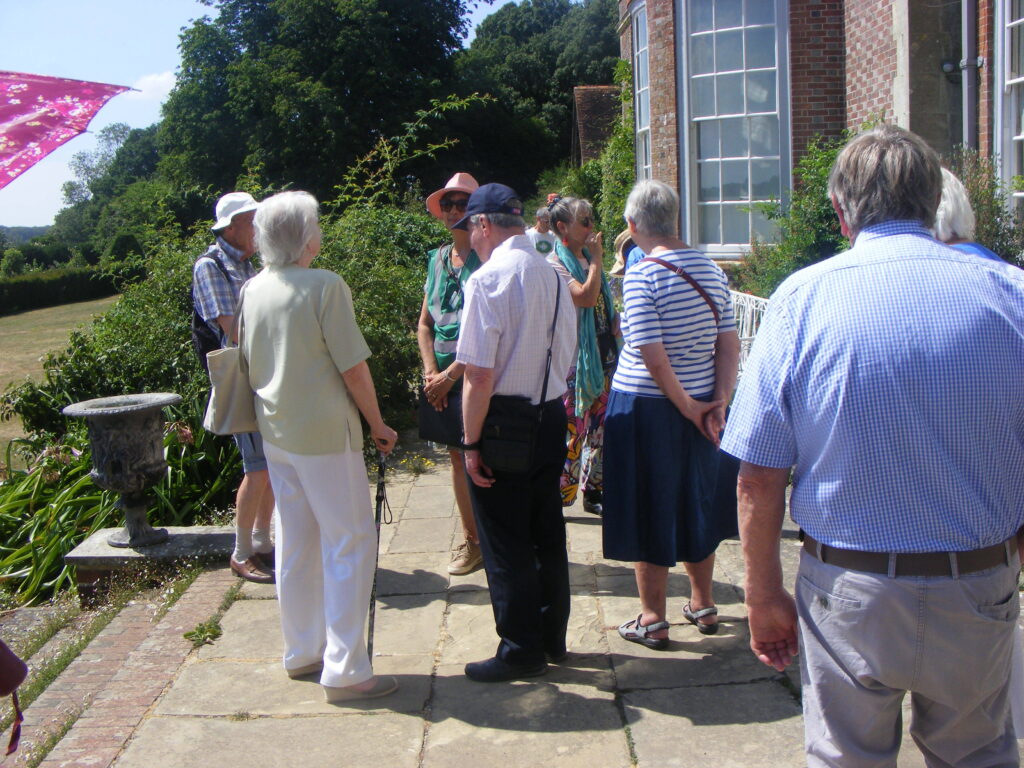
The Wargrave Local History Society’s visit began with a tour of the gardens.
These were restored in the early 2000s to how Ralph Dutton had known them, and have a staff of four gardeners (assisted by about 40 volunteers) to tend them.
The kitchen garden area was thought to have been in use since the Domesday survey, becoming a walled garden when the Victorians made their alterations.
Many of the fruit trees also date from the Victorian era, some of the apple trees being of specifically old local Hampshire varieties.
The gardens had been planned by Ralph Dutton, who chose trees to create different features at different times of the year in his garden.
And on the south side of the mansion there are views across the estate to the Hampshire countryside beyond.
Wargrave Local History Society meets in the Old Pavilion, Recreation Ground, Wargrave on the second Tuesday of the month, at 8pm.
Their next meeting is on Tuesday, September 8, when they will hear about The People and Places of Bletchley Park.
For information, visit: wargravehistory.org.uk