

















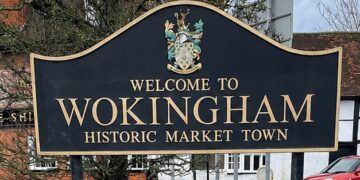






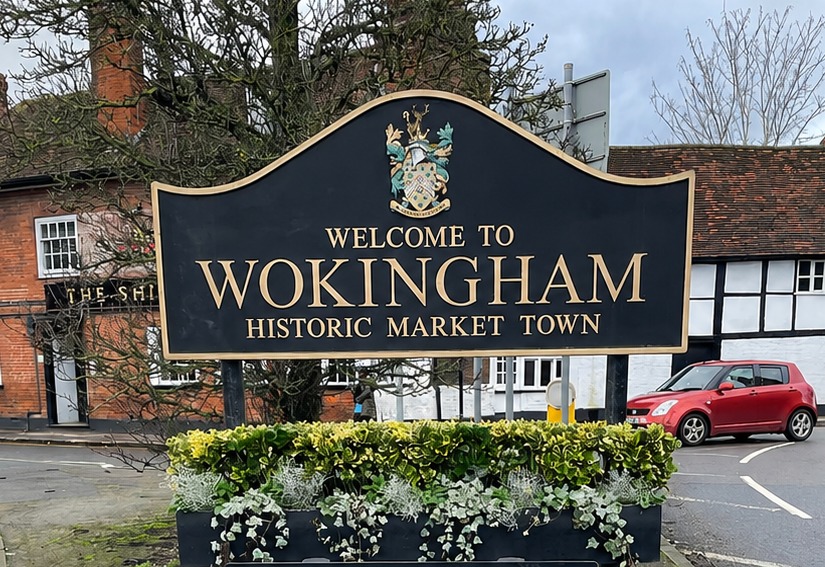
It is easy to look at our bustling, historic market town today and simply see an award-winning, picturesque place to live. But scratch beneath the surface of our timber-framed streets, and you will find a town that has shaped everything from British royalty to modern cultural icons.
As we celebrate our local heritage, Wokingham Today takes a look back at five fascinating things that truly put Wokingham on the map.
The Tudor Silk Industry
During the Tudor period and stretching right up until the 19th century, Wokingham was a powerhouse for the English silk industry. It was a thriving cottage industry, with local weavers producing high-quality silk that was sought after across the country.
If you take a stroll down Rose Street today, many of the beautifully preserved medieval and Tudor houses you see were originally home to the very weavers who dominated this trade.
The Famous Bell Foundry
Long before Wokingham was known for its modern charm, it was famous across the South of England for its heavy industry.
From the 14th to the 16th centuries, the town hosted a highly successful bell foundry.
The master craftsmen of Wokingham cast church bells that were transported far and wide.
To this very day, several churches across the region still ring out using bells originally forged right here in our town centre.
The Infamous “Wokingham Blacks”
Not all of our history is polite.
In the early 1700s, Wokingham gave its name to a notorious band of outlaws and poachers known as the Wokingham Blacks.
Operating in the surrounding Windsor Forest, these ruffians blackened their faces to disguise themselves while raiding local estates. Their exploits became so disruptive that Parliament was forced to pass the severe “Black Act” of 1723 to stop them.
Royal Coach-Building
Following the decline of the silk trade, Wokingham’s artisans pivotally turned their skills to coach-building.
Local firm The Lush Brothers became incredibly famous for their unparalleled craftsmanship. They didn’t just build transport for locals—they built luxury coaches for the highest echelons of society, including King Edward VII, Prince Christian of Schleswig-Holstein, and even Empress Eugénie of France.
The Legend of Molly Millar
You cannot talk about Wokingham without mentioning its most mysterious historical figure: Molly Millar.
While modern residents know her name from the busy Molly Millars Lane and the local businesses surrounding it, the woman behind the name belongs to local folklore.
Reputed to be the town witch, 18th-century lore says she lived in a wayside cottage and was well known by Welsh drovers moving their sheep through the area.
She remains one of Wokingham’s most enduring and eccentric legends.