




























Wokingham Borough Council’s Liberal Democrat administration is preparing to sign a £25 million contract to build Barkham Solar Farm. There are serious questions about a scheme designed to produce income to help fund Council services for residents.
The Council hasn’t yet secured a Power Purchase Agreement (PPA) to lock in a buyer and price for the electricity the solar farm produces. Without one, nobody knows how much money the farm will bring in. The Council also hasn’t settled how the power will leave the site and reach the grid in the first place. In plain terms, the Council is preparing to commit tens of millions of pounds to what is effectively a power station without a confirmed buyer or a way of getting the electricity out.
Once the electricity is ready to flow, there is no guarantee the National Grid will accept all of it. Barkham’s application for a full, guaranteed export connection has been delayed. In the meantime, a temporary arrangement with the regional network operator, SSEN is being relied on. SSEN can legally restrict how much electricity the solar farm is allowed to send to the grid, without paying the Council a penny in compensation for the unused power.
The draft contract sets no legal limit, meaning the limit could, in theory, be very restrictive. And the National Energy System Operator (NESO), set up by Labour, is expected to release its report after the Council has signed its contracts. So, the Council is preparing to commit to a construction contract and grid connection agreement before knowing how much of the power it generates will be allowed onto the network.
There are concerns about the project’s finances. The scheme from the previous Conservative administration was originally approved by Full Council in 2021 based on a 25-year financial model, but this has since been quietly extended to 40 years – without the approval of Full Council. This is 10 years longer than the typical performance warranty on solar panels. Panels also do not wear out at a steady pace; the risk of failure rises sharply once they pass the 25-year mark. A wave of costly breakdowns in the project’s later years could easily wipe out the financial benefits the Council is banking on.
At a recent Overview and Scrutiny meeting, I flagged my concerns that we hadn’t been shown the business case when we were being asked to make a recommendation about the risk of signing this construction contract. Some of the Liberal Democrat councillors didn’t understand. Signing away £25 million of taxpayers’ money for a project with no confirmed buyer for its electricity, no settled way of getting that electricity to the grid, and a financial model stretched well beyond its warranty protection, is a considerable risk to be taking on the public’s behalf.
None of the concerns we’ve raised are an argument against solar power. We are lucky to have Dr Moses Iyengunmwena, a professional engineer, in the Conservative Group, and sitting on the Climate Emergency Committee.
Before any contract is signed, the Council should secure a proper Power Purchase Agreement, resolve how the power will reach the grid, and bring the revised 40-year financial model back before the Full Council for open scrutiny and a fresh vote. Only then can residents be confident that this flagship project is being built on solid ground, rather than on hope.
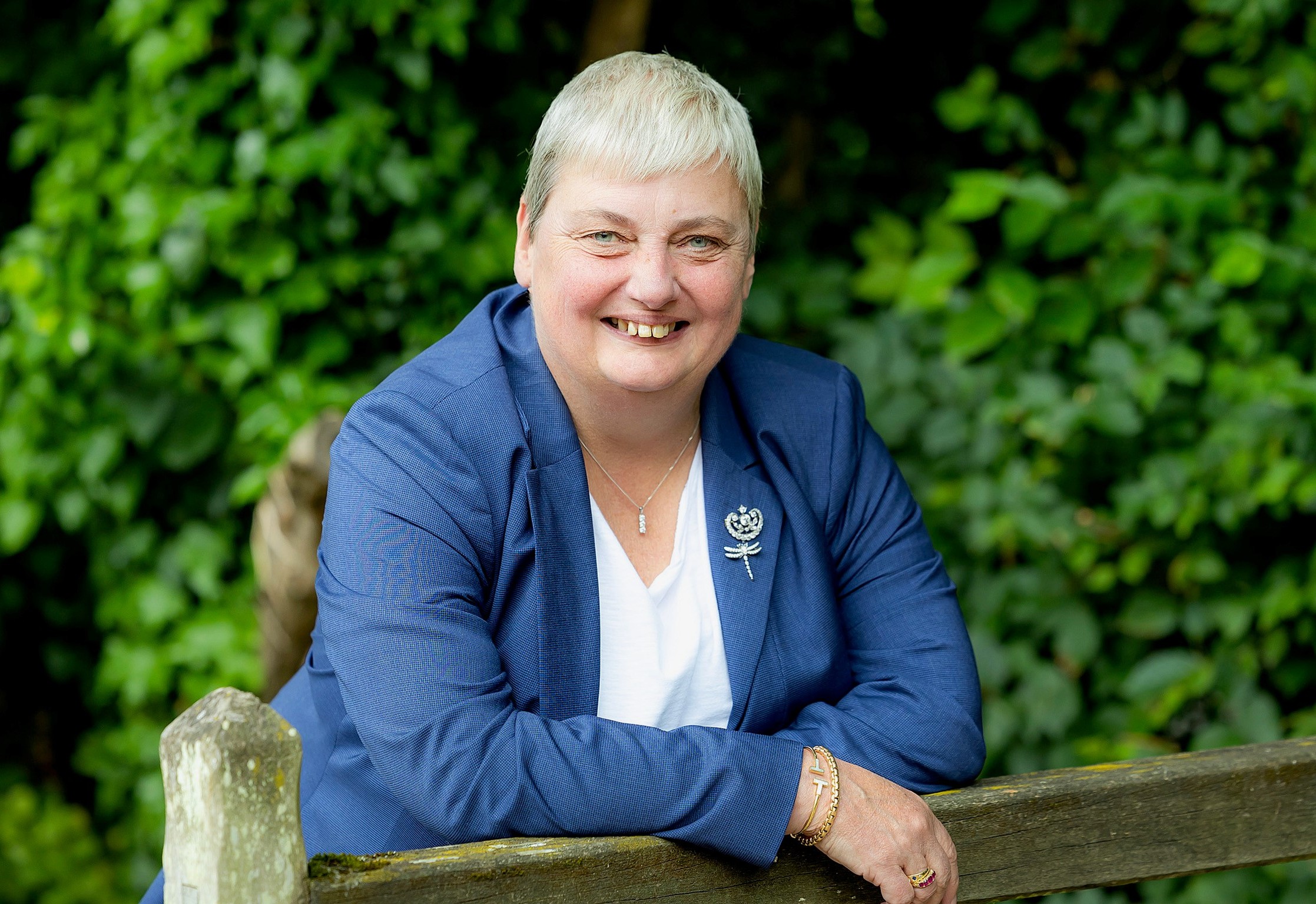
By Cllr Pauline Jorgensen