




























TO HELP Wokingham improve its biodiversity gain, resident Allan Wrobel, would love to see hedge laying practised throughout the borough.
This is where the stems of a hedge are partially cut, then bent sideways and woven together, stimulating growth from the stems and helping to fill in gaps.
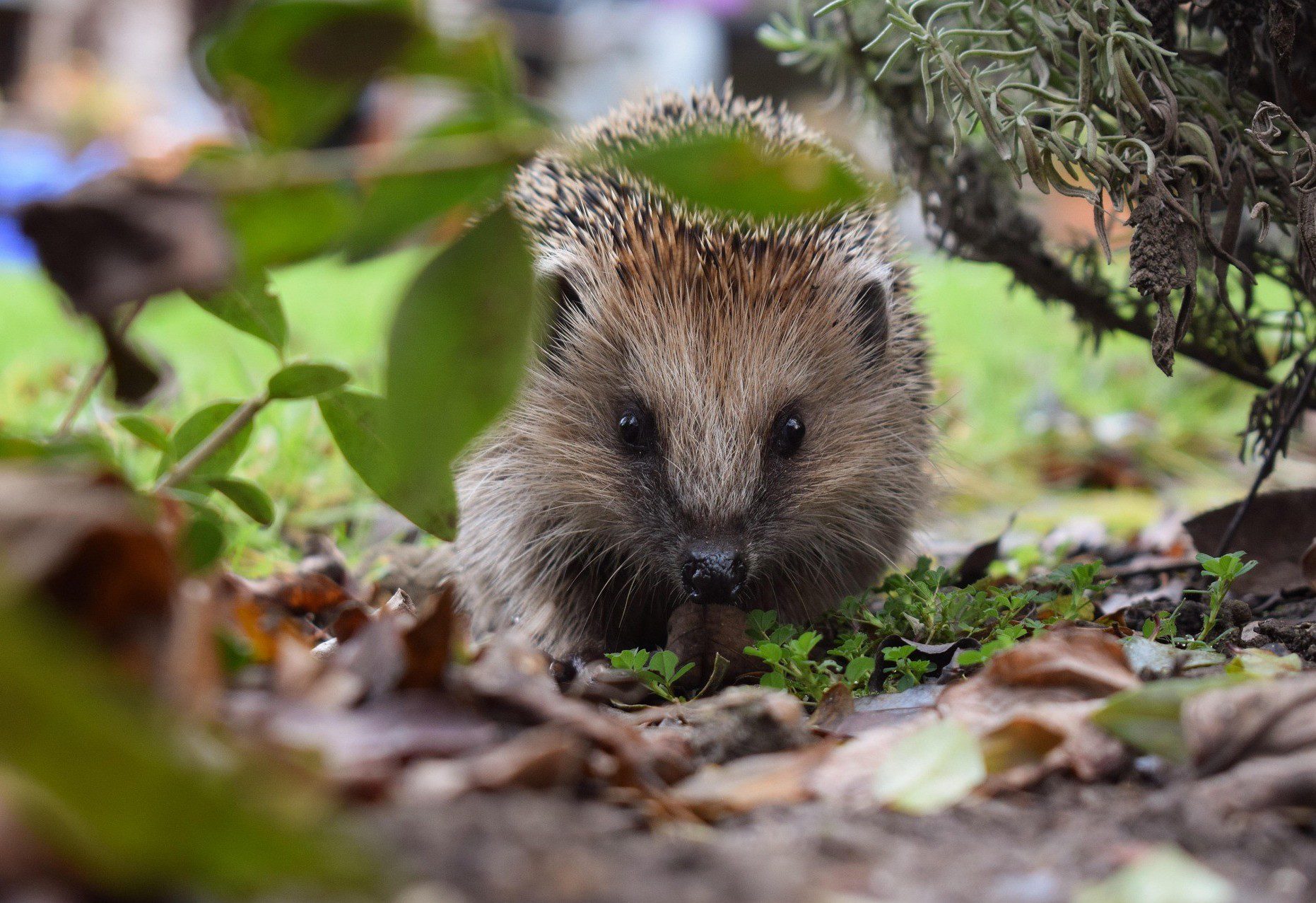
It results in a strong living barrier that’s not only dense and livestock proof, but which also provides thick vegetation for nesting birds and natural pathways for animals such as hedgehogs.
With green areas currently being eroded and separated by housing developments, wildlife pathways are arguably needed now more than ever.
Hedge laying has been practised for centuries in the UK and Ireland; a way of managing hedgerows in a sustainable and environmentally friendly way that promotes biodiversity.
“I’d love to see it practised throughout Wokingham,” said Allan.
“Ordinary hedges often have upright trunks with big gaps in between, but a laid hedge is thicker and more robust, allowing more wildlife to live in it.
“Wokingham Borough Council could use some of its CIL (Community Infrastructure Levy) money to fund the practice to improve biodiversity.
“It costs about £30 a metre to instal, and is a little more expensive than ordinary hedges to maintain, but even if people installed it just once, and then left it, the benefits to wildlife would still be greater than if a hedge hadn’t been laid at all.”
Allan Wrobel is chair of Barkham Village Hall.
For information, visit the Campaign to Protect Rural England at: cpre.org.uk