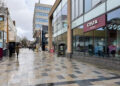

























A plan laying out the future of driving, walking, cycling and getting the bus in Bracknell for the next 12 years has been decided.
The Labour administration at Bracknell Forest Council has been working on its Local Transport Plan that will run until 2037.
The plan does not mention emissions-based parking charges, like those which are set to be introduced in Reading.
Also, it does not mention the ultra-low emission zone (ULEZ) implemented in London and clean air zones in cities in England.
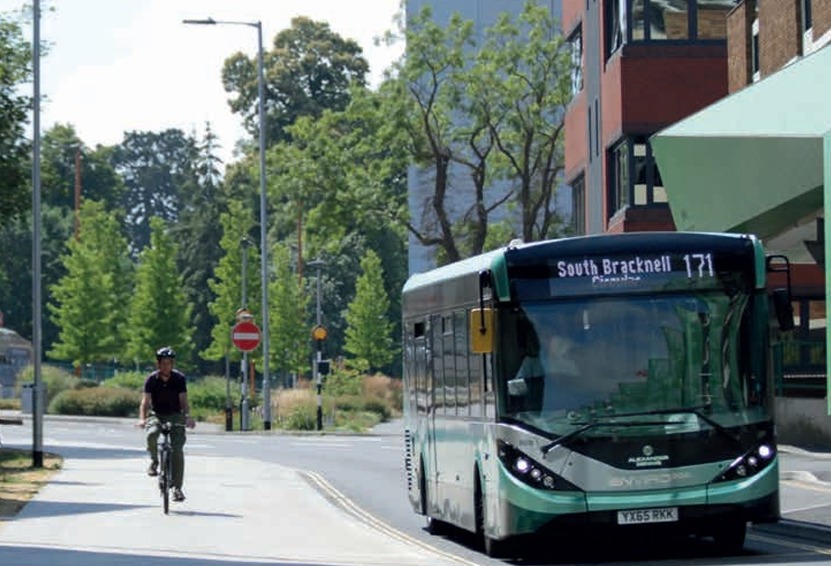
Instead, it will prioritise the development of alternatives to the car, which involves enhancing bus connectivity, establishing segregated cycles and ensuring pavements have step-free access to make them inclusive for disabled people.
The council will also promote the use of ultra-low-emission vehicles and electric vehicles. Therefore, it will leverage its power to deliver more than 1,200 EV charging points by the end of the plan in 2037.
The plan was discussed at a full council meeting.
Councillor Guy Gilbe (Labour, Easthampstead & Wildridings) cabinet member for transport said: “This isn’t just a response to existing travel patterns, it’s an effort to align our transport vision with our efforts as a council to embrace the challenge of climate change and offer a more sustainable transport infrastructure for our residents, visitors and businesses to enjoy.
“Whether it’s a safer cycle group for a parent taking their child to school, or a step-free bus stop for an older resident visiting the town centre, this plan is about practical improvements that touch everyday lives.”
He also acknowledged that cars remain a vital transport mode, pointing out that the council is investing £5 million in the road network over four years.
The plan received support from opposition members.
Cllr Robert McLean (Conservatives, Whitegrove) said: “The key thing is we have to make sure people have the opportunity to choose alternatives as they actually work better for them than the motor car.
“We all know that the motor car produces toxins that go into the atmosphere and damage people’s health, and this plan goes some way to tackling that.
“But actually it’s a way of thinking, it’s a way of living, where the motor car is easily accessible, very convenient and gets you from A to B as quickly as you possibly can.
“What we need to do is have a transport plan that encourages people to use other forms of transport, because it’s better for the environment and its better for the borough, but also it’s better for them.”
Cllr Gareth Barnard (Conservatives, Whitegrove) added: “What I hope we do is not what other councils do, that we adopt a pragmatic approach to take residents with us.
“Councils where they’ve got a little bit over preachy in this have seen resistance, whereas we can actually explore and explain how these can benefit your quality of life.”
The transport plan was approved unanimously at the meeting on Wednesday, July 9.