



















IN 2005, former BBC correspondent Kate Adie published Nobody’s Child, a history and exploration of adoption—her own and that of others.
She reflects on how the simplest questions can become complicated for those who were adopted: What is your name? Where were you born? What’s your father’s occupation? What’s your nationality?
For some who were abandoned as babies or toddlers, the answers to these basic questions may never be known.
At the time of Adie’s adoption, agencies were not required to share information about birth parents, leaving many with lifelong gaps in their personal story.
Even the question, What’s your religion? can shape a person’s upbringing and community. Adie herself was only two weeks old when she was taken home by a Roman Catholic couple—then returned to the agency after five days.
Soon afterwards, Mr and Mrs Adie arrived, and she grew up, as she puts it, ‘a good little Methodist’.
So who are we, really?
Today we are identified by names and addresses, National Insurance numbers, usernames and passwords, account numbers and PINs.
Yet these labels only skim the surface.
The Bible has some rich metaphors of identity.
One of the most beautiful appears in Ephesians 1:4, where adoption becomes an image of salvation: the realisation that we are beloved children, and that God is our Father.
In a world full of shifting labels, this promise of belonging remains steady: in God, we are known, chosen, and held.
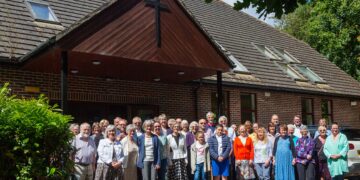
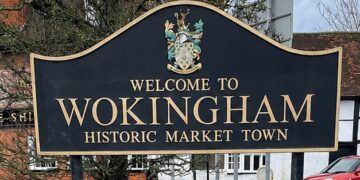
Kim Tame is a member of Wokingham Methodist Church, which meets on Sundays at 10.30am.
For information, visit: wokinghammethodist.org.uk